

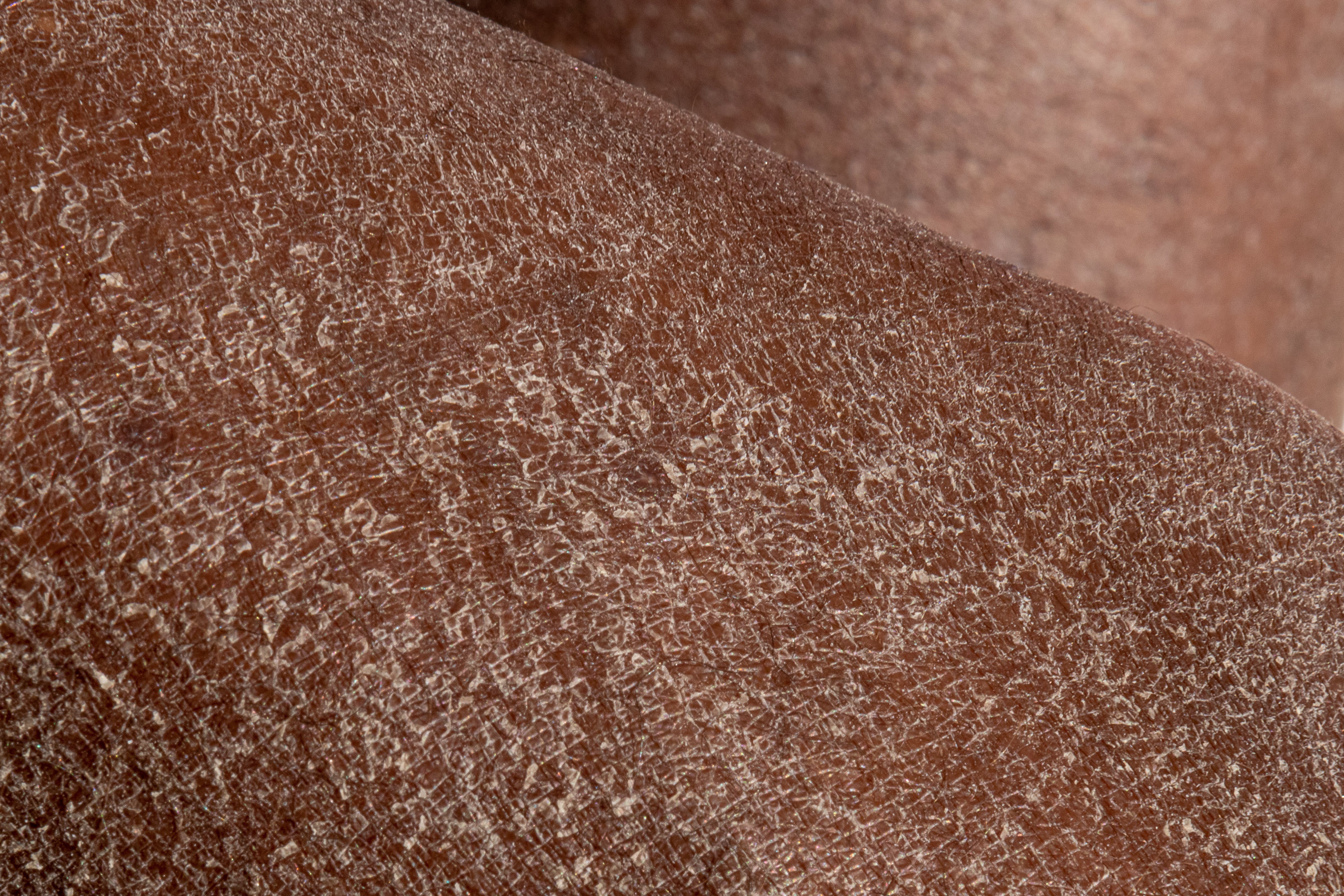
Why Is My Skin So Dry Even When I Moisturise?
Estimated reading time: 4 minutes
Why Is My Skin So Dry Even When I Moisturise? By Dr Yilmaz
“I’ve tried everything, but my skin still feels dry.”
I hear this regularly in clinic. The natural response is to buy a richer moisturiser, apply more serum or add another step. But if something is repeatedly irritating your skin,or dead skin cells are not shedding properly, more product may not solve the problem.
Sometimes the answer is not what you need to add. It is understanding what is getting in the way.
Your skin barrier may need support
Your skin barrier is the outer layer of your skin. It helps keep moisture in and irritants out. When it is not working well, water escapes more easily and the skin can feel dry, tight, rough, flaky or sensitive.[1,2]
Common contributors include:
- Washing too often or using hot water
- Harsh or heavily foaming cleansers
- Overusing scrubs, acids or retinoids
- Cold weather and indoor heating
- Irritation or allergy to a product
- Skin conditions such as eczema
Dry skin is not always irritated skin. Age, genetics, medications and medical conditions can also contribute. However, if your skin stings, burns or becomes red after applying products, irritation may be part of the problem.
Sometimes dead skin cells are getting in the way
Your skin naturally sheds dead surface cells through a process called desquamation. In healthy skin, this happens gradually and is almost invisible and as we age this process starts to become a bit sluggish.
Additionally, when the skin is dry or its natural shedding process is not well supported, these cells can remain attached for longer. Instead of shedding individually, they may collect in visible flakes or form a rough, dull surface layer.[1–3]
This uneven buildup can make moisturisers and hydrating serums harder to spread evenly. Products may feel as though they are sitting on top of the skin rather than improving its softness and texture.
For the right person, a gentle exfoliant can support the skin’s natural shedding process and help loosen these stubborn surface cells. Once the buildup is reduced, moisturising products may apply more evenly and feel more effective.
But exfoliation is not right for every type of dryness. If your skin is red, sore, cracked or stinging, or if you are already using several acids, scrubs or retinoids, more exfoliation may make things worse.
The goal is not to strip away the skin barrier. It is to gently support normal shedding while keeping the barrier comfortable.
Look beyond your facial skincare
When someone has persistent irritation or breakouts, I ask about everything that touches the affected area; not only their cleanser and moisturiser.
I recently saw a patient with irritation and breakouts across his forehead. After taking a detailed history, we realised his hair product might be contributing.
When he exercised, sweat could carry the hair product down onto his forehead. The combination of the product, heat, perspiration and prolonged skin contact may have contributed to his irritation and breakouts.
That did not prove the hair product was the only cause, but it gave us a sensible place to start before adding more skincare.
Other easily missed triggers include haircare, makeup, sunscreen, toothpaste, hats, helmets, laundry products and products transferred from your hands. Where the problem appears, and when it becomes worse, can provide useful clues.
Perioral dermatitis: could product placement be contributing?
Perioral dermatitis is a common condition I see in practice. It usually appears as small red or skin-coloured bumps around the mouth, nose or nasolabial folds - the lines running from the sides of the nose towards the mouth. It can look like acne, but it is a different condition.
One pattern I notice in clinic is how people apply their skincare. They place a serum or exfoliating product onto their fingertips, begin beside the nose or around the nasolabial folds, and then spread it outwards. This can mean that the largest amount and the first concentrated contact with the skin, occurs around the mouth and nose.
If that product contains exfoliating or potentially irritating ingredients, repeatedly applying it in this way may contribute to irritation in an area that is already quite sensitive. This is a clinical observation rather than a proven cause in every case, but it is worth considering when the location of the rash matches the starting point of product application.
The exact cause of perioral dermatitis is not fully understood. Recognised or suspected triggers include:
- Topical corticosteroid creams, including hydrocortisone
- Irritating or barrier-disrupting skincare
- Cosmetics and sunscreens
- Heavy or highly occlusive facial products
- Inhaled or nasal corticosteroids
- Toothpaste and other dental products
- Hormonal influences
Fluoride-containing toothpaste has also been linked to perioral dermatitis in a small number of case reports, including one involving highly fluoridated prescription toothpaste.[9,10] This does not mean ordinary fluoride toothpaste commonly causes the condition, and fluoride should not be stopped long-term without dental advice.
If you suspect perioral dermatitis, avoid treating it yourself with a steroid cream. Steroids may initially make it look better but can eventually worsen the condition or cause a rebound flare when stopped.[8] See your GP or dermatologist to get help with treating this condition as it can linger for weeks and months.
Fragrance, preservatives and “natural” ingredients
Fragrances and preservatives are among the more common causes of cosmetic-related allergic contact dermatitis.[4,5] That does not mean everyone needs to avoid them. Allergy is individual: someone may react to one ingredient while tolerating many others.
“Natural” does not automatically mean gentle either. Some botanical extracts and essential oils have recognised irritation or allergy potential.[6,7] Whether an ingredient is natural or synthetic does not tell you how your skin will respond.
If you repeatedly react to skincare, patch testing with a dermatologist may be more helpful than constantly changing products.
What can you do about persistently dry skin?
Start by simplifying:
- Look at everything that touches the affected area, including haircare and toothpaste.
- Notice where you begin applying active products and where most of the product is deposited.
- Pause anything that stings or appears to make the dryness worse.
- Cleanse gently with lukewarm water.
- Apply moisturiser while your skin is slightly damp.
- Introduce only one new product at a time.
- Use exfoliation gently and only when the skin is comfortable.
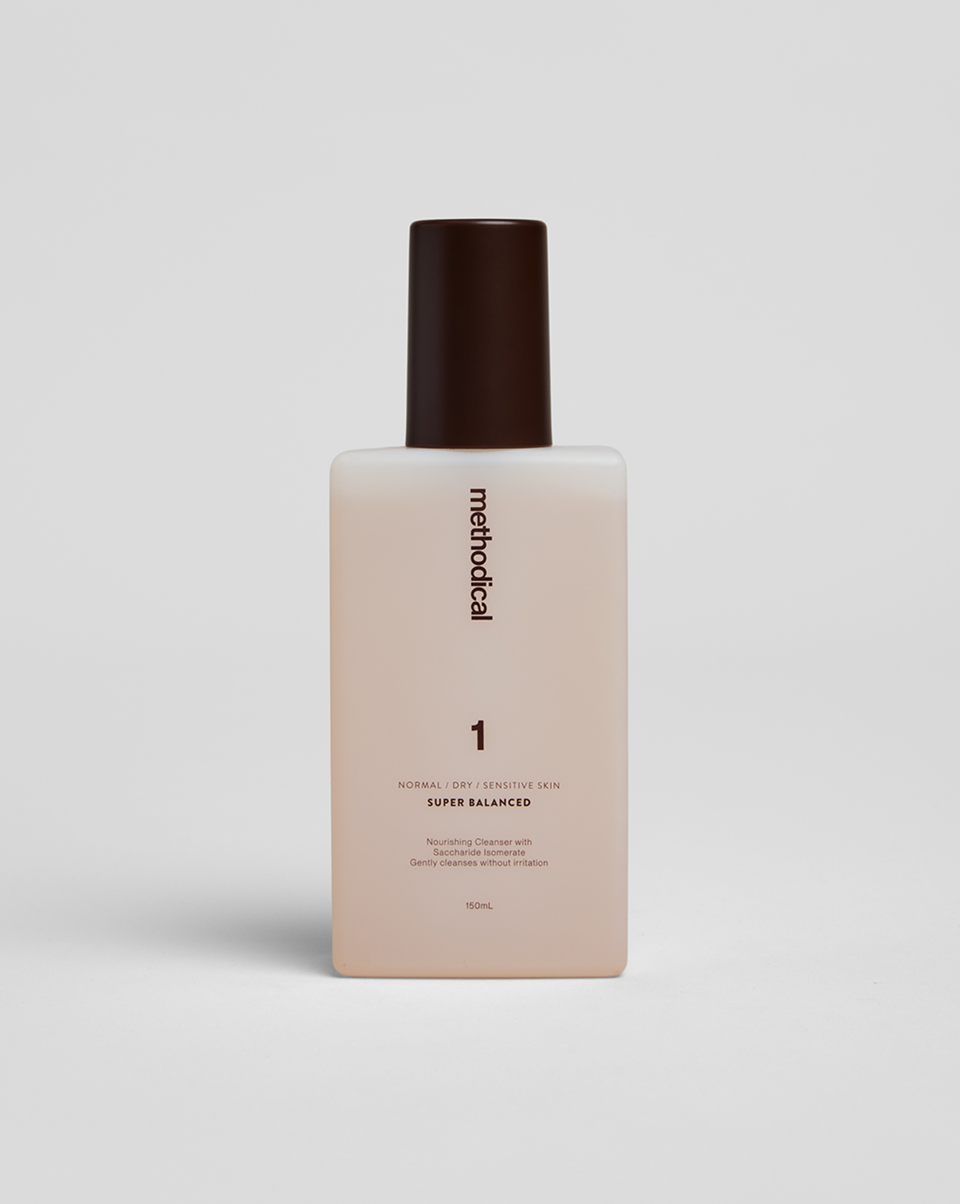
At Methodical, we consider what the skin currently needs before adding more steps. For one person, that may mean carefully introducing Super Smooth to support normal surface shedding. For another, it may mean pausing exfoliation and focusing on gentle cleansing with Super Balanced and help mend the damage with Super Repair and moisturising with Super Supportive.
Sometimes the missing piece is not another product. It is identifying what may be keeping your skin unsettled and removing what is getting in the way.
This article provides general educational information and is not a substitute for individual medical advice. Persistent, painful or unexplained skin symptoms should be assessed by a qualified healthcare professional.
References
- Rawlings AV, Watkinson A, Rogers J, Mayo AM, Hope J, Scott IR. Abnormalities in stratum corneum structure, lipid composition and desmosomal degradation in soap-induced winter xerosis. J Soc Cosmet Chem. 1994;45:203–220.
- Rawlings AV, Matts PJ. Stratum corneum moisturization at the molecular level: an update in relation to the dry skin cycle. J Invest Dermatol. 2005;124(6):1099–1110. doi:10.1111/j.1523-1747.2005.
23726.x. - Harding CR, Watkinson A, Rawlings AV, Scott IR. Dry skin, moisturization and corneodesmolysis. Int J Cosmet Sci. 2000;22(1):21–52. doi:10.1046/j.1467-2494.2000.
00001.x. - Heisterberg MV, Menné T, Johansen JD. Contact allergy to the 26 specific fragrance ingredients to be declared on cosmetic products in accordance with the EU Cosmetics Directive. Contact Dermatitis. 2011;65(5):266–275. doi:10.1111/j.1600-0536.2011.
01962.x. - Hamilton T, de Gannes GC. Allergic contact dermatitis to preservatives and fragrances in cosmetics. Skin Therapy Lett. 2011;16(4):1–4. PMID:21611680.
- Jack AR, Norris PL, Storrs FJ. Allergic contact dermatitis to plant extracts in cosmetics. Semin Cutan Med Surg. 2013;32(3):140–146. doi:10.12788/j.sder.0019.
- Omeragic E, Dedic M, Elezovic A, et al. Application of direct peptide reactivity assay for assessing the skin sensitization potential of essential oils. Sci Rep. 2022;12:7470. doi:10.1038/s41598-022-11171-
2. - Acevedo-Fontanez LA, Sánchez-Feliciano A, Ershadi S, et al. Periorificial dermatitis: pathophysiology, diagnosis, and management. J Am Acad Dermatol. 2026;94(5):1483–1492. doi:10.1016/j.jaad.2025.10.
138. - Peters P, Drummond C. Perioral dermatitis from high fluoride dentifrice: a case report and review of literature. Aust Dent J. 2013;58(3):371–372. doi:10.1111/adj.12077.
- Mellette JR, Aeling JL, Nuss DD. Fluoride tooth paste: a cause of perioral dermatitis. Arch Dermatol. 1976;112(5):730–731. doi:10.1001/archderm.1976.
01630290072021.