


Why Does My Skin React to Everything? The Science Behind Sensitive, Atopic & Reactive Skin
By Dr Ceylan Yilmaz | Medical Practitioner & Founder of Methodical
Estimated reading time: 5-6 minutes
Every spring in Melbourne, I notice a familiar pattern in my consulting room.
As pollen counts rise and allergy season begins, I start seeing more patients whose skin suddenly seems to be reacting to everything. Skincare they previously tolerated may begin to sting. Their skin can feel tighter, itchier or more easily irritated, and active ingredients that have been part of their routine for months can suddenly feel uncomfortable.
Interestingly, many of these patients don’t necessarily have the obvious symptoms we associate with hay fever. They may not be sneezing, have watery eyes or even consider themselves particularly “allergic”.
Yet their skin seems different.
It is something I have observed repeatedly in clinical practice and one of the reasons I wanted to write this article now.
Why can skin that has been perfectly happy with a routine suddenly become reactive? And could seasonal changes in our environment and immune activity be part of the picture?
The answer is rarely one thing.
Why Does Skin Suddenly Become Sensitive?
When someone tells me their skin is “reacting to everything”, there are several things I consider.
The skin barrier may be compromised. There may be an underlying inflammatory skin condition, increased exposure to environmental triggers, irritation from a routine that the skin can no longer comfortably tolerate, or heightened sensitivity in the nerves that detect sensations such as burning and stinging.
For some people, there may also be an atopic tendency, meaning they are predisposed to allergic conditions such as eczema, asthma or hay fever.
These factors can overlap.
This is why two people can use exactly the same product and have completely different experiences. It is also why your own skin can respond differently to the same product at different times of the year.
To understand this, it helps to start with the skin barrier.
Your Skin Barrier May Explain Why Skincare Stings
Your skin barrier is its outer protective layer.
Think of it a little like a brick wall: skin cells form the bricks, while fats, including ceramides, help seal the spaces between them.
This layer helps keep moisture in and limits what gets through from the outside. When it isn’t functioning optimally, skin can become dry, tight and more easily irritated.
For those who like the science, this outer layer is called the stratum corneum. Its specialised cells, or corneocytes, sit within an organised lipid matrix containing ceramides, cholesterol and fatty acids. Together, they form an important permeability barrier between the body and the external environment.
We have known for decades that abnormalities in this barrier are particularly relevant to atopic skin.
As early as 1991, researchers demonstrated reduced ceramide levels in the stratum corneum of people with atopic dermatitis, including apparently unaffected skin.[1]
Then, in 2006, landmark research identified loss-of-function variants affecting filaggrin, an important epidermal structural protein, as major genetic risk factors for atopic dermatitis.[2]
These discoveries helped establish something fundamental: the way our skin is biologically constructed can influence the way it responds to its environment.
And that includes skincare.
What Does It Mean to Have an Atopic Tendency?
Atopy describes a predisposition towards allergic conditions such as:
-
Eczema or atopic dermatitis
-
Asthma
-
Hay fever or allergic rhinitis
You don’t need to have active eczema for an atopic background to be relevant.
Research has demonstrated important differences in the epidermal barrier of people with atopic dermatitis, including alterations in ceramides, filaggrin, hydration and transepidermal water loss.[1–3]
This doesn’t mean everyone with hay fever has a compromised skin barrier. It also doesn’t mean everyone with sensitive skin is atopic.
But for some people, an atopic tendency may be one part of the explanation for why their skin is more reactive.
This becomes particularly interesting during allergy season.
What Do Allergies and Histamine Have to Do With Your Skin?
We tend to associate histamine with sneezing, itchy eyes, hives and other obvious allergy symptoms.
But histamine also has activity within the skin.
Our skin isn’t simply a physical covering. It is an active immune organ, containing keratinocytes, mast cells and other immune cells that communicate with one another and with sensory nerves.
Histamine is one of many inflammatory mediators involved in this communication.
In a 2013 experimental study, Gschwandtner and colleagues found that histamine could suppress normal keratinocyte differentiation and reduce the expression of important epidermal proteins, including filaggrin and loricrin.[4]
This provides an interesting biological link between inflammatory signalling and skin barrier function.
It does not, however, prove that spring allergies directly cause sensitive skin or that someone with “high histamine” will react to skincare.
What it tells us is that the immune system and skin barrier aren’t operating independently.
Research into atopic dermatitis has similarly demonstrated a two-way relationship between barrier dysfunction and inflammation. A compromised barrier can contribute to inflammatory signalling, while inflammation can further interfere with barrier function.[3]
This may be one reason why skin tolerance isn’t necessarily constant throughout the year.
Sometimes Stinging Isn’t an Allergy
There is another part of sensitive skin that is often overlooked: the nervous system.
Our skin contains sensory receptors, including TRPV1 and TRPA1, that respond to stimuli such as heat, acidity, chemicals and inflammatory signals.[5]
When these pathways become sensitised, it can take less stimulation to produce sensations such as burning, warmth, tingling or stinging.
Keratinocytes also communicate with sensory nerves, while mast cells located close to nerve endings can release histamine, tryptase and other inflammatory mediators.[6,7]
So when someone tells me a product “stings”, I don’t automatically assume they are allergic to it.
Allergic contact dermatitis is a specific immune-mediated reaction. Sensitive or reactive skin can occur for other reasons, including barrier impairment, irritation, inflammation and increased neurosensory responsiveness.
Persistent, severe or reproducible reactions to particular ingredients should, however, be properly assessed.
Does Sensitive Skin Mean You Should Avoid Active Skincare?
No, and this is an important distinction.
Having sensitive or atopic-prone skin doesn’t automatically mean that ingredients such as glycolic acid, retinoids, vitamin C or pigment-correcting actives are unsuitable.
Tolerance depends on much more than the ingredient name on the bottle.
The formulation, concentration, frequency of application, condition of the skin barrier and the individual’s underlying skin biology all matter.
One person’s skin may comfortably tolerate an active every day. Another may need to introduce the same active gradually.
Even the same person’s tolerance can change.
During an episode of active dermatitis or significant barrier disruption, for example, I may recommend temporarily modifying a patient’s routine while we address the underlying inflammation. Once the skin has settled, appropriate active ingredients can often be gradually reintroduced.
The objective isn’t to fear active skincare.
It’s to use it intelligently.
What Should You Do When Your Skin Becomes Reactive?
I generally think about reactive skin in three stages:
1. SUPPORT
Go back to a simple baseline routine.
For most people, this means a gentle cleanser, an appropriate moisturiser and broad-spectrum sunscreen during the day.
If products you normally use comfortably suddenly burn or sting, don’t assume you need to push through it. Consider simplifying your routine and temporarily pausing non-essential active ingredients while the skin settles.
The priority at this stage is getting the skin comfortable again.
2. INTRODUCE
Once the skin has settled, active skincare can be gradually reintroduced according to the concern you are trying to treat.
Introduce one product at a time, rather than changing several products simultaneously.
Follow the product-specific directions and begin at an appropriate frequency for your skin. This also makes it much easier to identify the cause if irritation occurs.
3. ADAPT
Pay attention to what your skin is telling you.
Mild, expected transient sensations from certain active formulations are different from persistent burning, increasing redness, itch, scaling or dermatitis.
If irritation develops, reducing application frequency may be sufficient. If symptoms persist or become more significant, stop the suspected product and allow the skin to recover.
Recurrent or severe reactions, facial swelling, significant dermatitis or reactions that repeatedly occur with particular ingredients warrant professional assessment.
Your skincare routine shouldn’t be completely rigid.
Skin tolerance can change with inflammation, environment, hormones, seasonal changes and barrier function. A well-designed routine should be able to change with it.
Why Personalised Skincare Matters
The more we understand about sensitive skin, the clearer it becomes that there isn’t one universal skincare routine that will suit everybody.[5–8]
Two people can use exactly the same active ingredient and experience completely different responses.
That doesn’t necessarily make the ingredient “harsh”.
And it doesn’t mean reactive skin can’t benefit from active skincare.
It reflects the interaction between the ingredient, its formulation and the individual skin using it.
Good skincare isn’t about using the most products, and it isn’t about avoiding active ingredients. It’s about using the right ingredients, in the right formulation, in the right way, for your skin.
Why I Developed Methodical This Way
This principle has influenced the way I have approached Methodical from the beginning.
Before developing Methodical, I had spent many years recommending and prescribing active skincare in clinical practice. I kept seeing the same issue: we often talk about ingredients as though the ingredient alone determines the result.
It doesn’t.
My background in medicine, together with my earlier training in medicinal chemistry and drug design, has made me particularly interested in what happens beyond the ingredient list: concentration, pH, formulation, delivery, ingredient interactions and, importantly, the biology of the skin receiving the product.
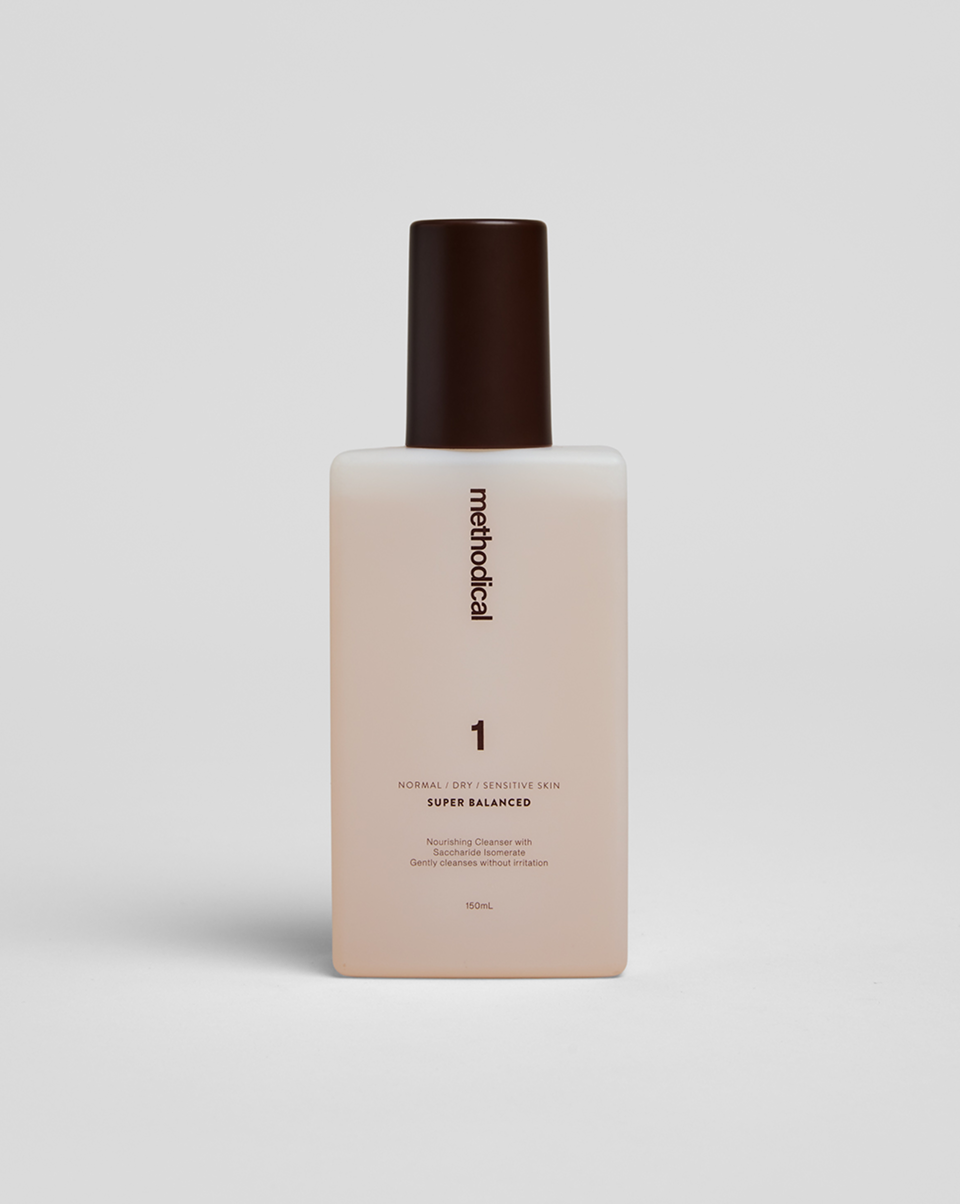
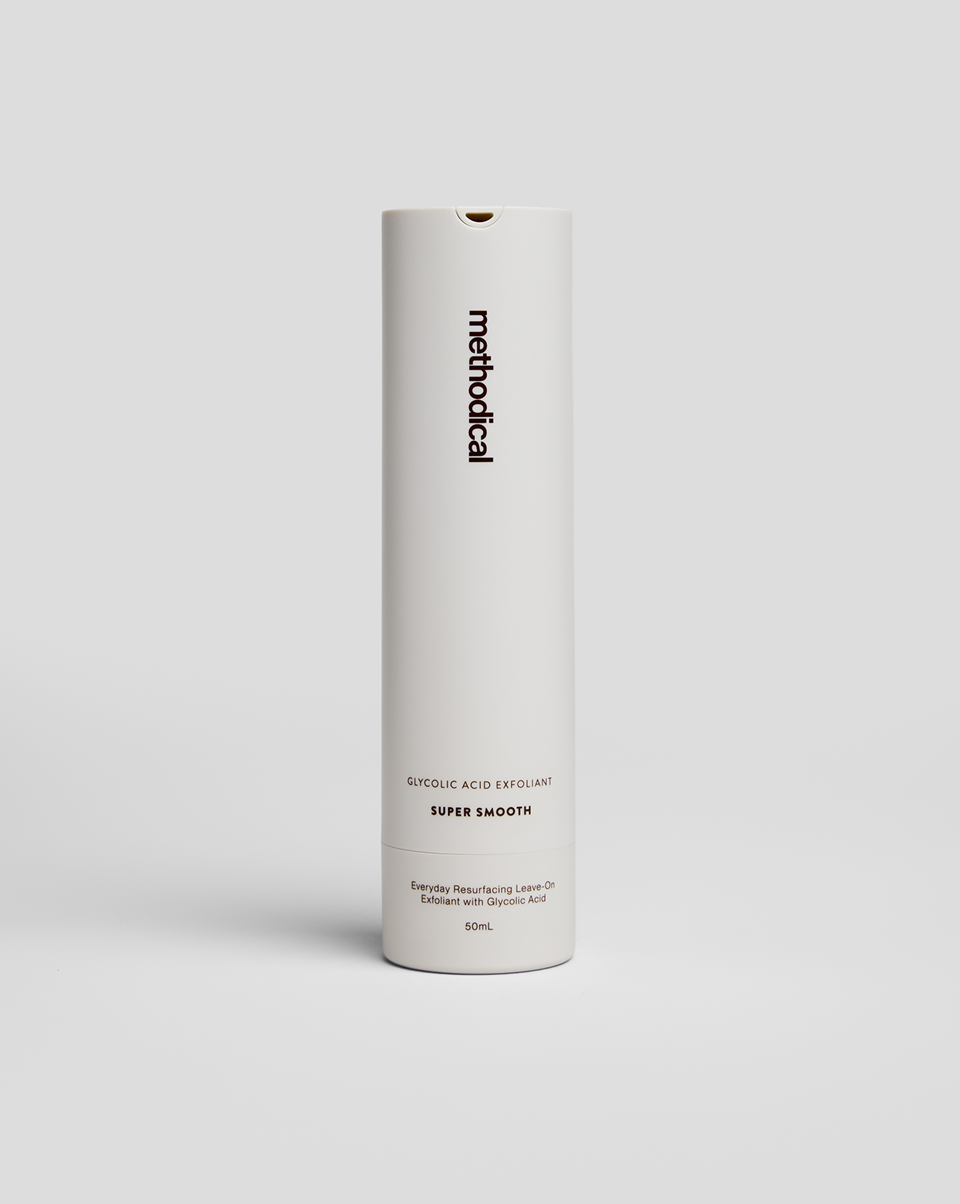
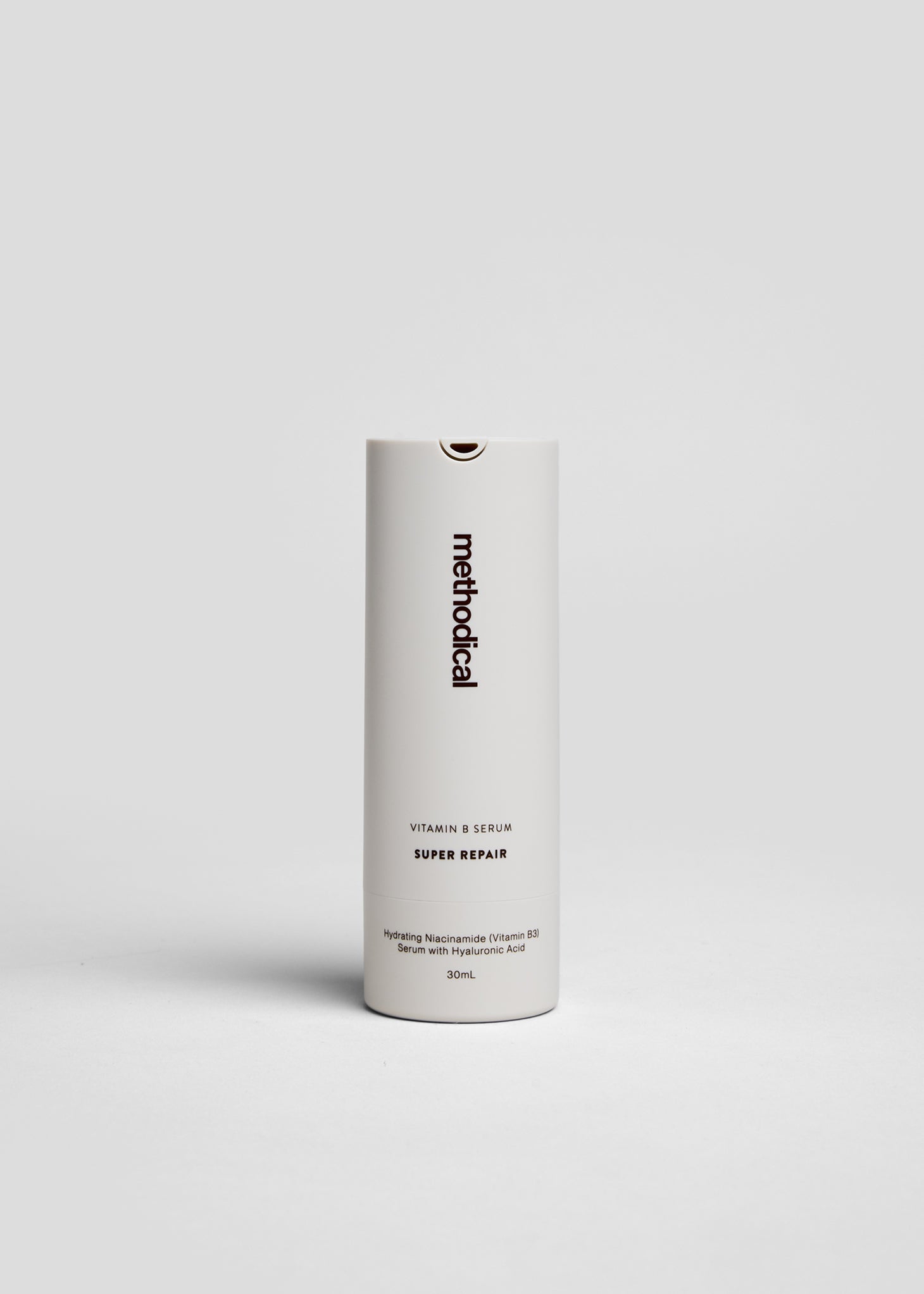
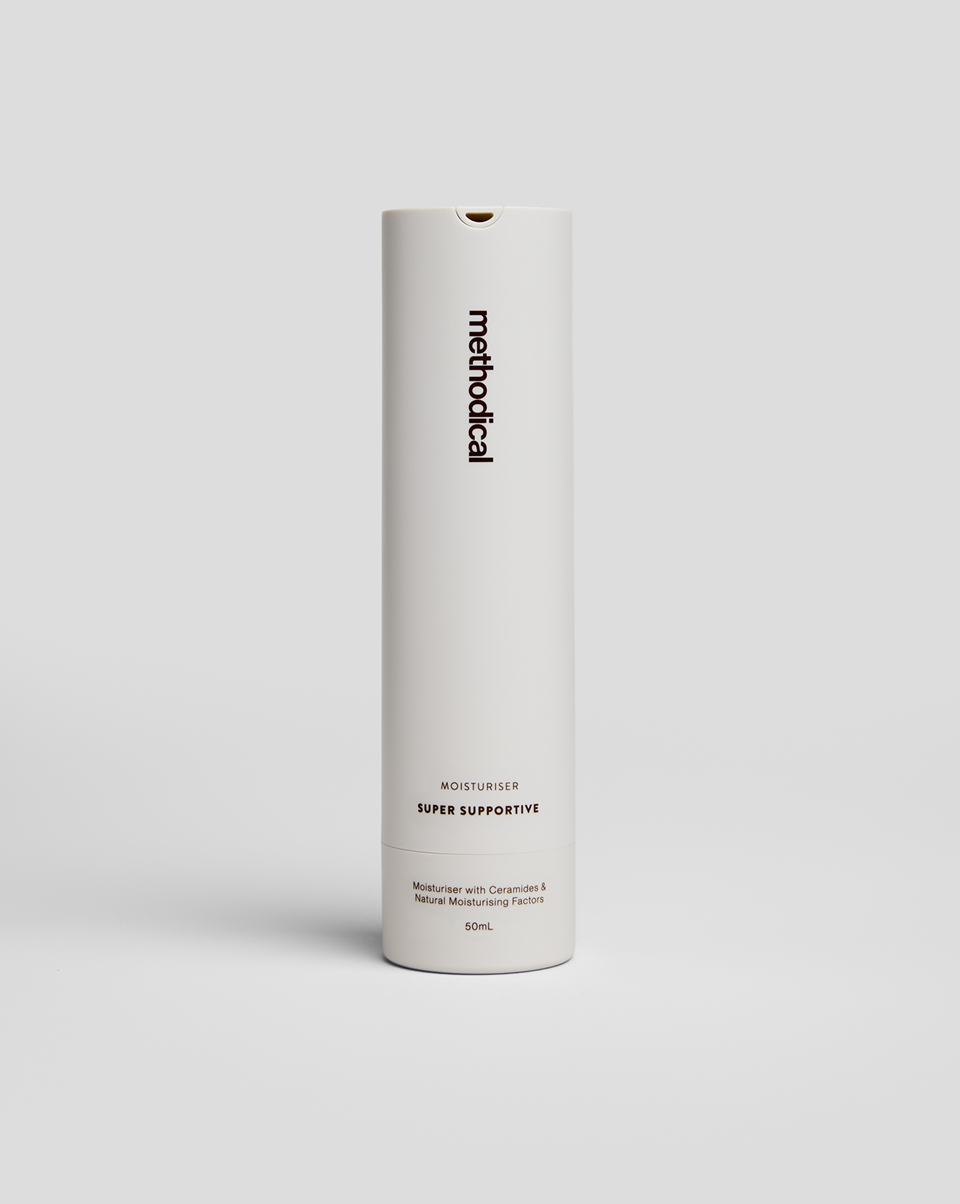
That is why I have been personally involved in the development of Methodical’s formulations and why the range has been designed around a skin-first, considered approach to active skincare.
I don’t believe everyone needs exactly the same routine.
And I don’t believe sensitive skin should automatically be excluded from evidence-based active ingredients.
Instead, I believe we need to understand the skin, select ingredients for the concerns we are actually trying to treat, formulate them thoughtfully and then use them at a frequency appropriate for the individual.
That is the thinking behind Methodical.
Start With Your Skin
If you’re unsure where to begin, understanding your skin type, concerns and current tolerance is the first step.
→ TAKE THE METHODICAL SKIN TYPE QUIZ
Once you understand your skin, you can build a routine around what it actually needs.
Frequently Asked Questions
Why does my skin suddenly react to everything?
Changes in barrier function, inflammatory activity, environmental exposure, dermatitis, contact allergy or increased sensory responsiveness can all contribute.
For some people, skin reactivity may also fluctuate seasonally. Persistent or significant changes in skin tolerance should be assessed rather than automatically attributed to allergies.
Can hay fever or seasonal allergies make my skin more reactive?
There is a biologically plausible relationship between allergic inflammation and the skin, particularly in people with an atopic tendency. Histamine and other inflammatory mediators participate in cutaneous immune signalling, while experimental research suggests histamine can also affect epidermal differentiation.[4]
However, current evidence does not establish that seasonal hay fever directly causes skincare intolerance.
Why does skincare sting my face?
Stinging can occur when barrier function is compromised or sensory nerve pathways are particularly responsive. Certain formulations, active ingredients and acidic products can also produce transient sensations.
Persistent burning or inflammation shouldn’t simply be considered a normal sign that a product is “working”.
Can sensitive skin use glycolic acid?
Potentially, yes. Sensitive skin does not automatically exclude glycolic acid. Concentration, formulation, frequency of application and the current condition of the skin all influence tolerability.
Can sensitive skin use retinol or retinoids?
Many people with sensitive skin can use retinoids, although they may require a more gradual introduction. Active dermatitis or significant irritation should generally be addressed before introducing potentially irritating actives.
Is sensitive skin the same as an allergy?
No. Allergic contact dermatitis is an immune-mediated response to a particular allergen. Sensitive skin may involve barrier dysfunction, irritation and altered neurosensory responses without an allergy being present.
Scientific References
1. Imokawa G, Abe A, Jin K, et al. (1991). Decreased level of ceramides in stratum corneum of atopic dermatitis: An etiologic factor in atopic dry skin? Journal of Investigative Dermatology. 96(4):523–526. doi:10.1111/1523-1747.ep12470233.
2. Palmer CNA, Irvine AD, Terron-Kwiatkowski A, et al. (2006). Common loss-of-function variants of the epidermal barrier protein filaggrin are a major predisposing factor for atopic dermatitis. Nature Genetics. 38:441–446. doi:10.1038/ng1767.
3. Elias PM, Hatano Y, Williams ML. (2008). Basis for the barrier abnormality in atopic dermatitis: Outside-inside-outside pathogenic mechanisms. Journal of Allergy and Clinical Immunology. 121(6):1337–1343. doi:10.1016/j.jaci.2008.01.022.
4. Gschwandtner M, Mildner M, Mlitz V, et al. (2013). Histamine suppresses epidermal keratinocyte differentiation and impairs skin barrier function in a human skin model. Allergy. 68(1):37–47. doi:10.1111/all.12051.
5. Gouin O, L’Herondelle K, Lebonvallet N, et al. (2017). TRPV1 and TRPA1 in cutaneous neurogenic and chronic inflammation: Pro-inflammatory response induced by their activation and their sensitization. Protein & Cell. 8(9):644–661. doi:10.1007/s13238-017-0395-5.
6. Talagas M, Misery L. (2019). Role of keratinocytes in sensitive skin. Frontiers in Medicine. 6:108. doi:10.3389/fmed.2019.00108.
7. Siiskonen H, Harvima IT. (2019). Mast cells and sensory nerves contribute to neurogenic inflammation and pruritus in chronic skin inflammation. Frontiers in Cellular Neuroscience. 13:422. doi:10.3389/fncel.2019.00422.
8. Misery L, Weisshaar E, Brenaut E, et al. (2020). Pathophysiology and management of sensitive skin: Position paper from the special interest group on sensitive skin of the International Forum for the Study of Itch. Journal of the European Academy of Dermatology and Venereology. 34(2):222–229. doi:10.1111/jdv.16000.
This article is intended for educational purposes and does not replace individual medical advice. Persistent, severe or recurrent skin reactions should be assessed by an appropriately qualified healthcare professional.