

How to Repair a Damaged Skin Barrier: The Methodical Protocol
By Dr Ceylan Yilmaz, Cosmetic Doctor & Medicinal Chemist
Part 3 of 3 in the Methodical skin barrier series: the repair protocol.
This follows on from What Causes a Damaged Skin Barrier (and How Long It Takes to Heal) →
How to Repair Your Skin Barrier: The Methodical Approach
Barrier repair rests on three principles. Stop doing what’s damaging it. Give it the specific molecular building blocks it needs to rebuild. Be patient.
The Methodical product range is built specifically for this purpose. Every product in the Methodical Method, without exception, contains the three core barrier-repair components needed to rebuild the stratum corneum at every step of your routine.
The Three Pillars in Every Methodical Product
Advanced Hyaluronic Acid Complex. Four forms of hyaluronic acid working at different depths: Sodium Hyaluronate, Sodium Hyaluronate Crosspolymer, Sodium Acetylated Hyaluronate, and Hydrolyzed Sodium Hyaluronate. Clinical testing shows a 155.1% boost in skin hydration and a 32.3% reduction in TEWL within one hour of application. This addresses the water-holding function of the barrier in real time.
Skin-Identical Lipids. A concentrated mix of Ceramide NP, Ceramide AP, Ceramide EOP, Phytosphingosine, Cholesterol, and essential fatty acids. These are the exact components of the lipid “mortar” between your skin cells; Methodical is supplying the building blocks of the barrier in the same molecular form your own skin uses. In vivo testing shows measurable barrier improvement and reduced TEWL within four weeks of use.
Soothing actives. Panthenol (pro-vitamin B5), Allantoin, and Bisabolol, collectively called the “Soothing Shield” in the exfoliant range. These directly reduce inflammation in the upper layers of skin, addressing the redness, stinging and reactivity that come with barrier damage.
Most skincare ranges have barrier-supportive ingredients in one or two products, usually the moisturiser. Methodical has them in every product, which means even your exfoliant and your retinoid are rebuilding the barrier while they do their primary work. This is the formulation difference that makes the difference for compromised skin.
Your Barrier-Repair Routine
If you suspect your barrier is damaged, here is the routine I would put you on. It uses the Methodical Method but strips out the active steps until your skin has recovered.
Phase 1: Barrier Reset (Weeks 1 to 4)
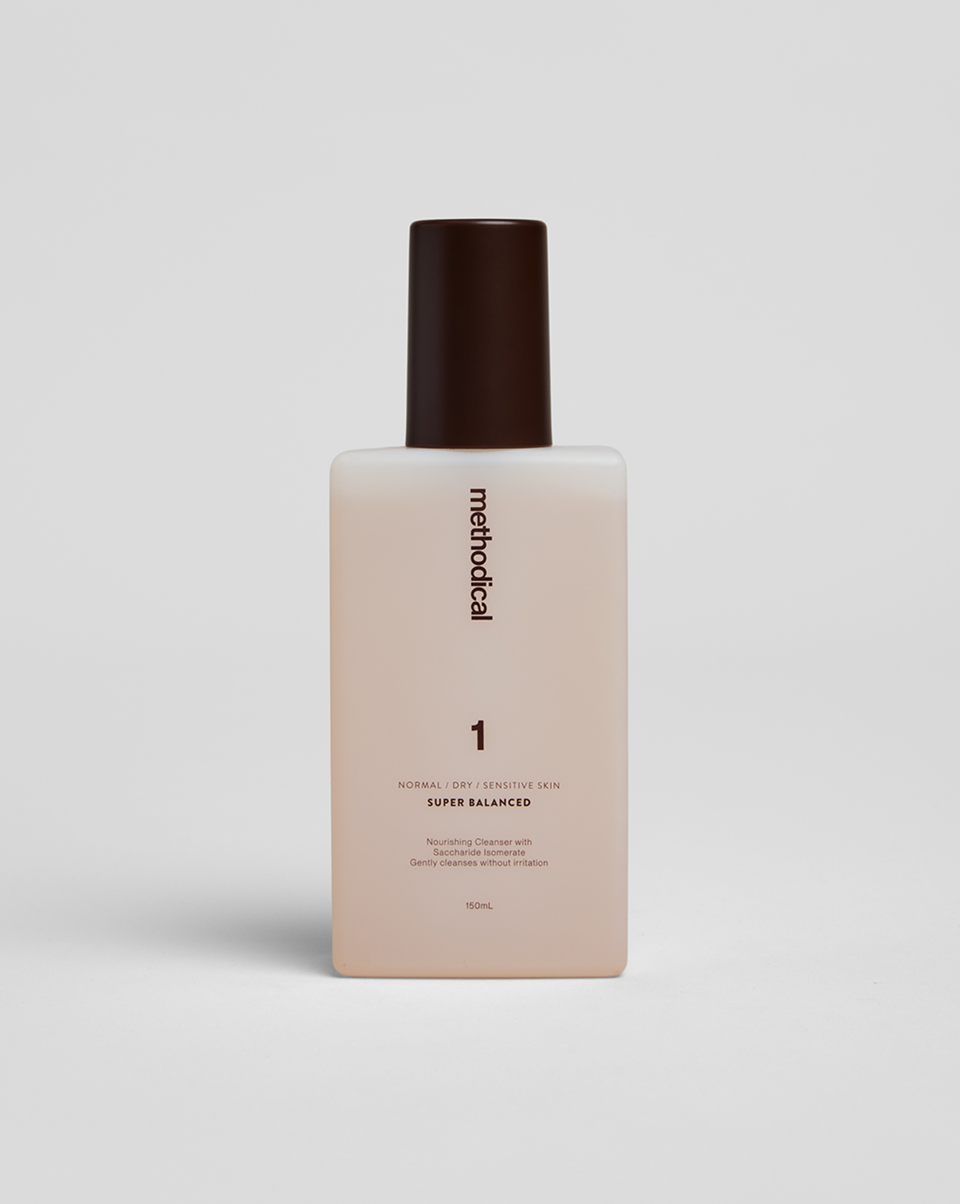
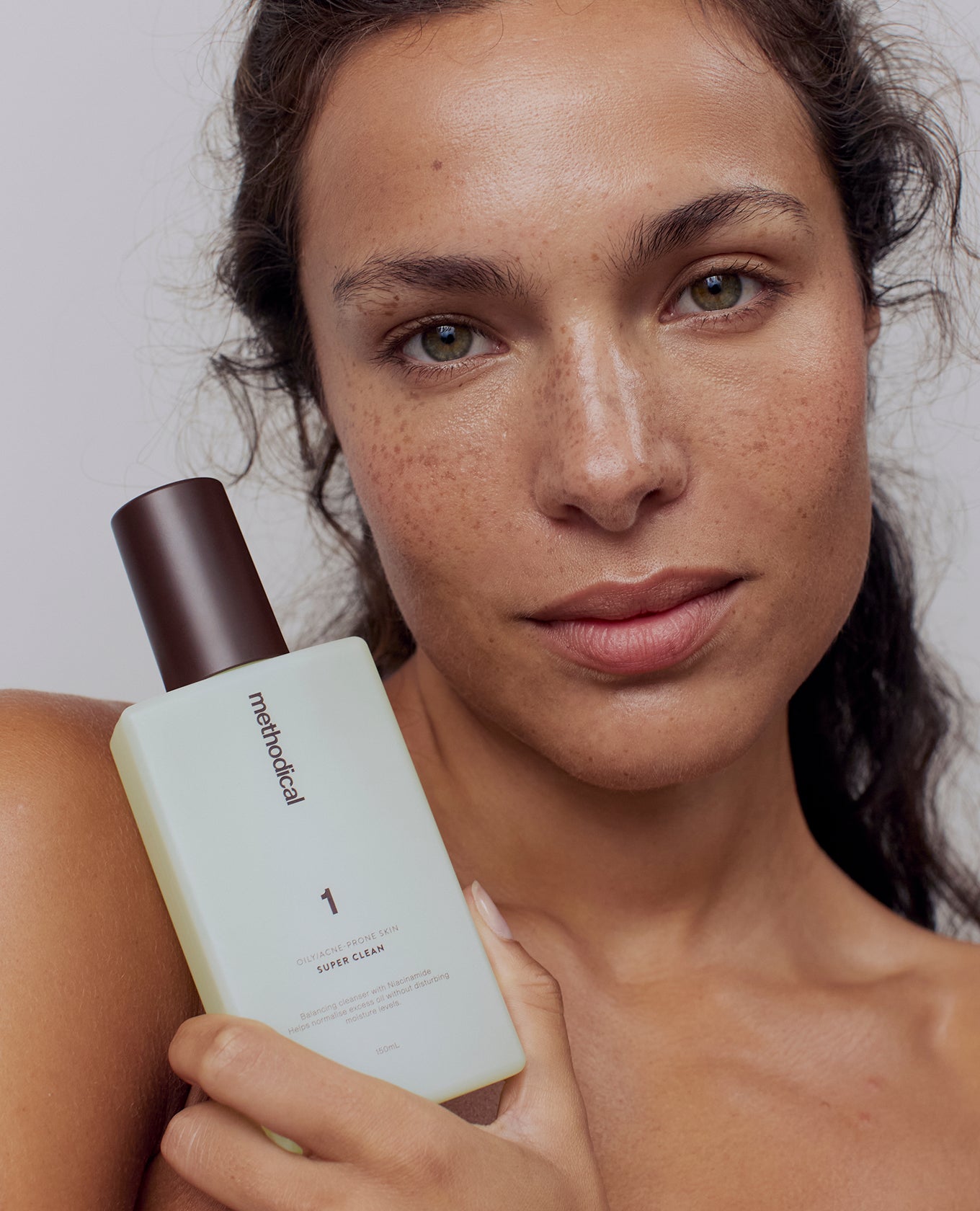
AM: Super Balanced Cleanser → Super Repair (10% Niacinamide + HA Serum, niacinamide is one of the most-studied barrier-strengthening ingredients) → Super Supportive Moisturiser → finish with a gentle SPF, ideally mineral (zinc oxide)
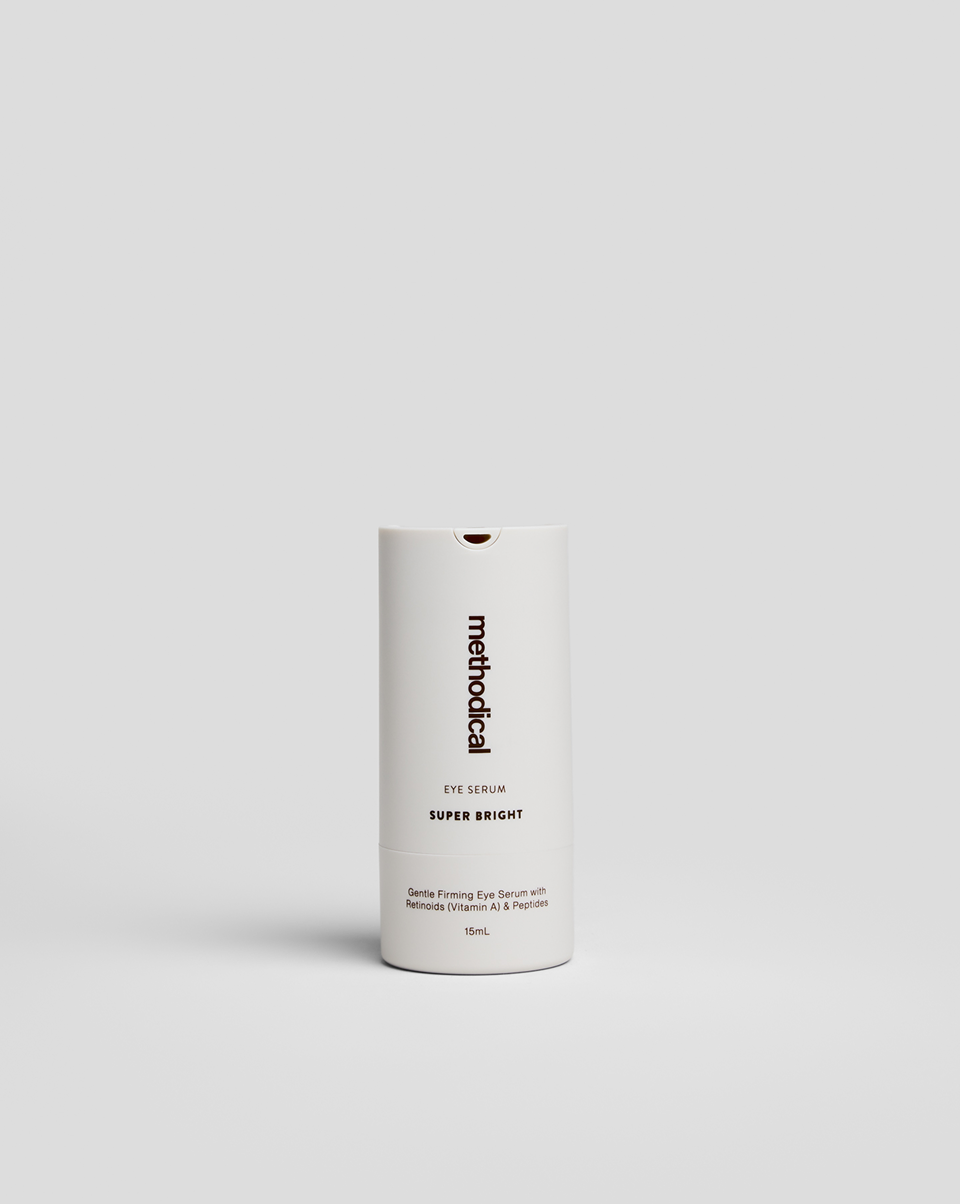
PM: Super Balanced Cleanser → Super Repair → Super Supportive → Super Bright eye serum
Notice what’s missing: no Step 2 exfoliant, no Super Firm Vitamin C in the early weeks if it’s stinging, no Super Essential retinoid. The fewer actives on damaged skin, the faster the barrier rebuilds. Niacinamide in Super Repair is the one exception: it actively strengthens the barrier and is well-tolerated even on compromised skin.
Phase 2: Careful Reintroduction (Weeks 4 to 8)
Once your skin feels stable (no more stinging, no more tightness, no more flushing), reintroduce one product at a time, with at least two weeks between additions:
Add Super Firm (Vitamin C – coming soon) in the morning, after Super Repair.
Once tolerated for two weeks, add Super Soft (Lactic Acid) exfoliant on one morning per week.
Once that’s tolerated, add Super Essential (coming soon) on two evenings per week.
Build frequency gradually from there.
If at any point your skin starts reacting again, drop back to the previous phase and give it another two weeks before trying again. Barrier repair is not a race.
Common Mistakes That Prevent Barrier Repair
Continuing to use the products that damaged it. People sometimes apply a moisturiser on top of their daily acid routine and expect the moisturiser alone to fix the damage. It can’t. You have to stop the cause.
Stripping back to nothing. The opposite mistake. Stopping all skincare entirely doesn’t help either; your skin still needs hydration, lipids and protection while it rebuilds. The barrier-reset routine above is the right level.
Switching brands constantly looking for the magic product. Consistency matters more than novelty. Pick a barrier-supportive routine and use it for at least six weeks before judging it.
Adding actives back too quickly. The temptation to reintroduce retinol at week three because your skin feels better is what keeps a barrier in a perpetual cycle of damage and partial repair. Wait the full timeline.
Skipping SPF because your skin is sensitive. UV damage compounds barrier damage. Mineral sunscreens (zinc oxide) are usually well-tolerated even on damaged skin.
When to See a Dermatologist
Topical skincare repairs most barrier damage. There are situations where it isn’t enough, and you should escalate.
Persistent rash or visible breakdown that doesn’t settle within four to six weeks of a gentle barrier-repair routine.
Symptoms that suggest eczema, atopic dermatitis, contact dermatitis, or rosacea, particularly if there’s a family history, or if you have these conditions elsewhere on your body.
Severe stinging, burning, or rashes that interfere with daily life. These need professional assessment.
Reactions that develop suddenly to a specific product (possible contact allergy): patch testing by a dermatologist can identify the cause.
For straightforward barrier damage caused by an over-active routine (the most common situation), a barrier-repair protocol like the one above will resolve it within six weeks. Reserve the dermatologist for situations that don’t fit that pattern.
The Bottom Line
A damaged skin barrier is one of the most common conditions I see in clinic, and one of the most consistently mistreated. The instinct when skin starts misbehaving is to escalate: add another active, layer another product, try the new ingredient everyone is talking about. The instinct is almost always wrong. Barrier damage doesn’t respond to more; it responds to less, plus the right specific ingredients.
Watch for the ten signs. If you’re experiencing three or more, your barrier is compromised, even if your skin doesn’t look dramatically wrong on the surface. Stop the aggressive routine. Switch to a barrier-supportive base. Give it six weeks. Reintroduce actives slowly and carefully when your skin is ready, not when you’re bored.
The Methodical Method is built for this. Every product is designed to support the barrier rather than challenge it, which means that even when you’re using actives (vitamin C, retinoids, exfoliating acids), the formula is simultaneously providing the ceramides, lipids, hyaluronic acid, and soothing actives needed to keep the barrier intact. You’re not trading off one for the other. You’re getting both at once.
That’s the difference between a routine that works long-term and a routine that gives you six good weeks before things start falling apart. Build around the barrier first. Everything else gets easier from there.
Dr Ceylan Yilmaz is a cosmetic doctor and medicinal chemist based in Melbourne. This article is general information, not a substitute for personalised medical advice. If you have a persistent rash, suspected eczema, rosacea or contact dermatitis, or if your barrier symptoms don’t improve within six weeks of a gentle repair routine, please consult your GP or dermatologist.