

How to Choose a Clinical Skincare Routine That Works
Last Updated: November 12, 2026
Quick Summary
To choose a clinical skincare routine, identify your skin type and main concern first, then check that each product names its active ingredient and concentration. Build five core steps, cleanse, treat, hydrate, support the barrier and protect, and review results at 12 weeks.
- Patch test new products behind the ear or inner forearm for 24 to 48 hours.
- Apply products thinnest to thickest: cleanser, serum, moisturiser, then sunscreen last in the morning.
- Start with one active twice a week and build up over a month.
- Keep retinoids and strong acids on alternate nights, never in the same routine.
- Expect full results from retinoids and vitamin C after 12 or more weeks.
Table of Contents
- Start by Identifying Your Skin Type and Concern
- How to Build a Skincare Routine Around Clinical Evidence
- The Correct Order of Skincare Products in a Clinical Routine
- How to Use Active Ingredients in Skincare Without Irritation
- How Long Does It Take for Skincare to Work?
- Clinical Skincare Routine Examples for Acne, Ageing and Sensitivity
- How to Choose a Clinical Skincare Routine: A Five-Step Decision Framework
- Build Your Routine with The Method
- Frequently Asked Questions
Start by Identifying Your Skin Type and Concern
Learning how to choose a clinical skincare routine starts with one honest look at your skin. Before you buy a single serum, work out two things: your skin type and your main skin concern.
Skin type is how much oil your skin naturally produces. It stays fairly stable: dry, oily, combination or normal. A skin concern is a problem you want to fix, such as acne, redness, dehydration or fine lines.
Here is the distinction that matters most:
- Skin type = your baseline oil level
- Skin concern = what you want to improve right now
- Skin condition = a diagnosed issue such as eczema or rosacea
If you are unsure where you sit, our guide on how do I know my skin type walks through the simple at-home checks. For the full picture, read skin type vs skin condition, because mixing the two up leads to the wrong products.
A simple tolerance check before you buy anything
Clinical ingredients can be strong, so test your tolerance first. Test your tolerance first with a patch test:
- Apply a small amount behind your ear or on your inner forearm
- Leave it for 24 hours, then check for redness or itching
- Repeat for 48 hours if your skin is sensitive
Irritation often comes from starting too many actives in the same week. Slow beats fast.
How to Build a Skincare Routine Around Clinical Evidence
A clinical skincare routine is a short, consistent set of products built on ingredients with real research behind them, used in the right order and at the right strength. Evidence beats marketing every time. The problem is that most shoppers have no practical way to tell the two apart, so this section gives you a repeatable filter rather than a list of hero ingredients.
The three questions to ask of any clinical product
When you read a label, work through these in order:
- What is the active ingredient, and is it named? A product that lists 'botanical complex' without naming the actives gives you nothing to verify. Look for the ingredient name, retinol, salicylic acid, ascorbic acid, niacinamide, azelaic acid, and its position on the ingredient list.
- At what concentration? Concentration determines both effect and irritation risk. A retinoid at 0.1% and one at 1% are different products with different schedules. If a brand hides the percentage, treat the claim as unproven.
- What does the evidence actually support? Research can establish that an ingredient improves a measured outcome in a study population. It cannot establish that a specific finished product will do the same for you, at the dose in the tube, alongside your other products.
According to the Therapeutic Goods Administration guidelines on cosmetic claims, cosmetic products cannot claim to treat or cure disease. That is a useful filter. A product that promises to 'cure' acne is overselling. A product that says it supports the skin barrier is making a claim it can defend.
What clinical evidence can and cannot tell you
The confusion often comes from expecting too much from a study. A trial showing that 0.05% retinol improved fine lines over 12 weeks tells you the ingredient has a plausible effect. It does not tell you:
- whether the formulation in front of you delivers that concentration stably
- whether it will suit your skin barrier on the day you start it
- whether it will interact with the vitamin C or acid you already use
So use evidence to shortlist ingredients, not to predict your personal result. The personal result is settled by a tolerance test and a review period, which the rest of this guide covers.
How to spot marketing language dressed up as science
A few patterns recur often enough to be worth naming:
- Vague percentages. 'Up to 10% active' is not the same as '10% active'. Ask what the number refers to.
- Borrowed authority. 'Dermatologist-inspired' or 'clinical-grade' are not regulated terms in the same way as a therapeutic claim. They signal positioning, not proof.
- Before-and-after framing. Images can be lit, filtered or selected. They are not evidence of a mechanism.
Watch out: a product can be genuinely well formulated and still be wrong for your skin at that moment. Evidence shortlists; your barrier decides.
The five jobs a clinical routine actually has
What most guides miss is that a good routine has only five jobs, and every product you add should serve one of them:
- Cleanse without stripping
- Treat one concern with one active
- Hydrate
- Support the skin barrier
- Protect with sunscreen in the morning
Everything else is optional. If a product does not clearly serve one of these five jobs, it is the first thing to drop when you simplify.
The Correct Order of Skincare Products in a Clinical Routine
The correct order of skincare products runs from thinnest to thickest: cleanser, treatment serum, moisturiser, then sunscreen in the morning. This order lets each layer absorb before the next one goes on.
Here is the order we recommend:
Morning routine
- Cleanser
- Vitamin C serum
- Moisturiser
Night-time routine
- Cleanser
- Active treatment, such as a retinoid or salicylic acid
- Moisturiser
A common mistake is applying sunscreen before moisturiser. Sunscreen goes last in the morning because it needs to sit on the surface to protect you.
How to Use Active Ingredients in Skincare Without Irritation
Using active ingredients in skincare without irritation comes down to a protocol, not a personality trait. Vitamin C, retinoids, salicylic acid, azelaic acid and peptides all work, but they need to be introduced in a way your barrier can tolerate.
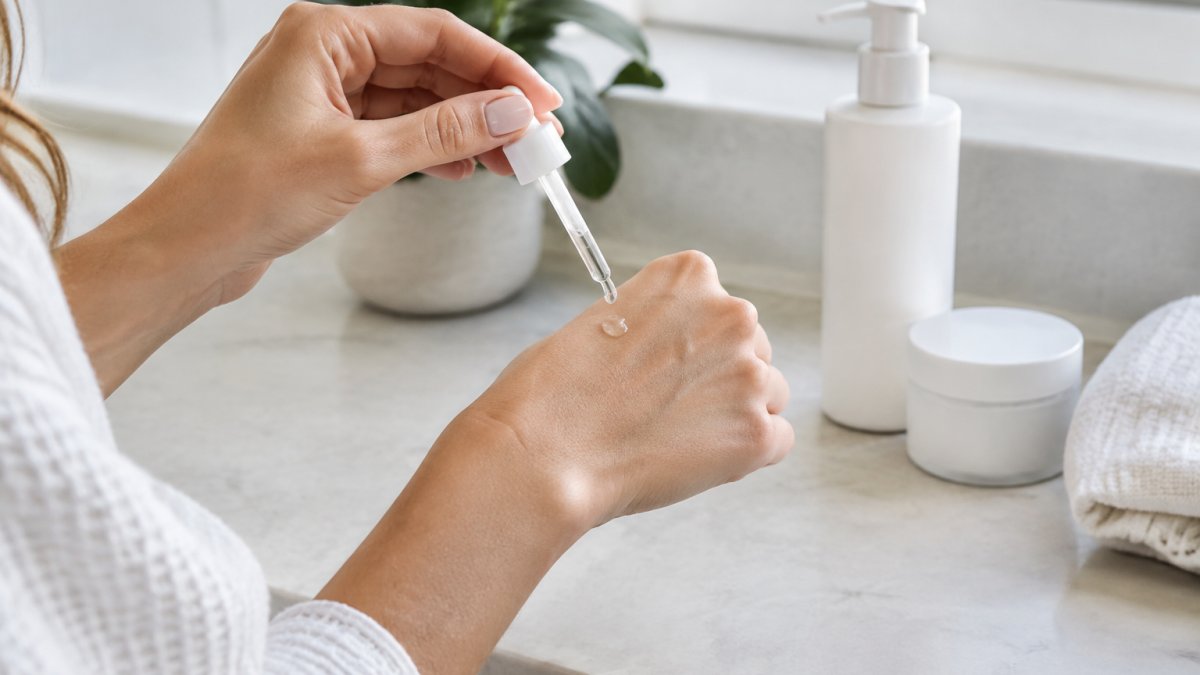
A step-by-step introduction protocol
- Patch test first. Apply a small amount behind the ear or on the inner forearm. Leave it 24 hours, then check for redness or itching. Repeat for 48 hours if your skin is sensitive.
- Start with one active, twice a week. Not every night, and not two actives in the same week.
- Build up over a month. Move to every other night, then nightly if your skin stays calm. If it stings or flakes, pull back for a week before trying again.
- Keep the rest of the routine boring. While you introduce an active, use only a gentle cleanser, a simple moisturiser and sunscreen. That way, if something reacts, you know what caused it.
- Review at 12 weeks. Keep what works, drop what does not, and adjust strength rather than adding a second active.
Ingredients that should not be layered together
Some actives clash. Keep these apart:
- Retinoids and strong acids: use on alternate nights, never together
- Vitamin C and benzoyl peroxide: they can cancel each other out
- Two exfoliating acids at once: this is a fast route to a damaged skin barrier
Watch out: layering a retinoid over a strong acid in the same routine is the most common cause of redness and peeling we see. If your skin reacts, stop the actives for a week and use only cleanser and moisturiser.
How to tell irritation from purging
A common pattern is that people stop a product too early because they cannot tell these apart. Irritation tends to appear as stinging, burning, flaking or redness in areas where you applied the product, and it often starts within days. Purging tends to look like the breakouts you already get, in the places you usually get them, and it settles over several weeks.
When to simplify and when to see a dermatologist
If your skin is persistently red, stinging, peeling or breaking out in a way that does not settle after a week off actives, simplify to cleanser, moisturiser and sunscreen and have it reviewed. The same applies if you are using prescription treatments, are pregnant or planning pregnancy, or have a diagnosed condition such as eczema or rosacea.
How Long Does It Take for Skincare to Work?
Results from clinical skincare often take several weeks to appear. Anyone promising overnight change is overselling.
Here is what to expect:
| Timeframe | What you may notice |
|---|---|
| 1-2 weeks | Hydration improves, skin feels calmer |
| 4-6 weeks | Texture starts to smooth, breakouts settle |
| 8-12 weeks | Tone evens, fine lines soften, pores look smaller |
| 12+ weeks | Full results from retinoids and vitamin C |
Consistency matters more than any single product. A simple routine used daily beats a complex one you abandon after a month.
Clinical Skincare Routine Examples for Acne, Ageing and Sensitivity
The best clinical skincare routine for you depends on your main concern, not your age. Below are three starting points built around the most common goals. Adjust the strength to your tolerance.
Acne-prone and oily skin
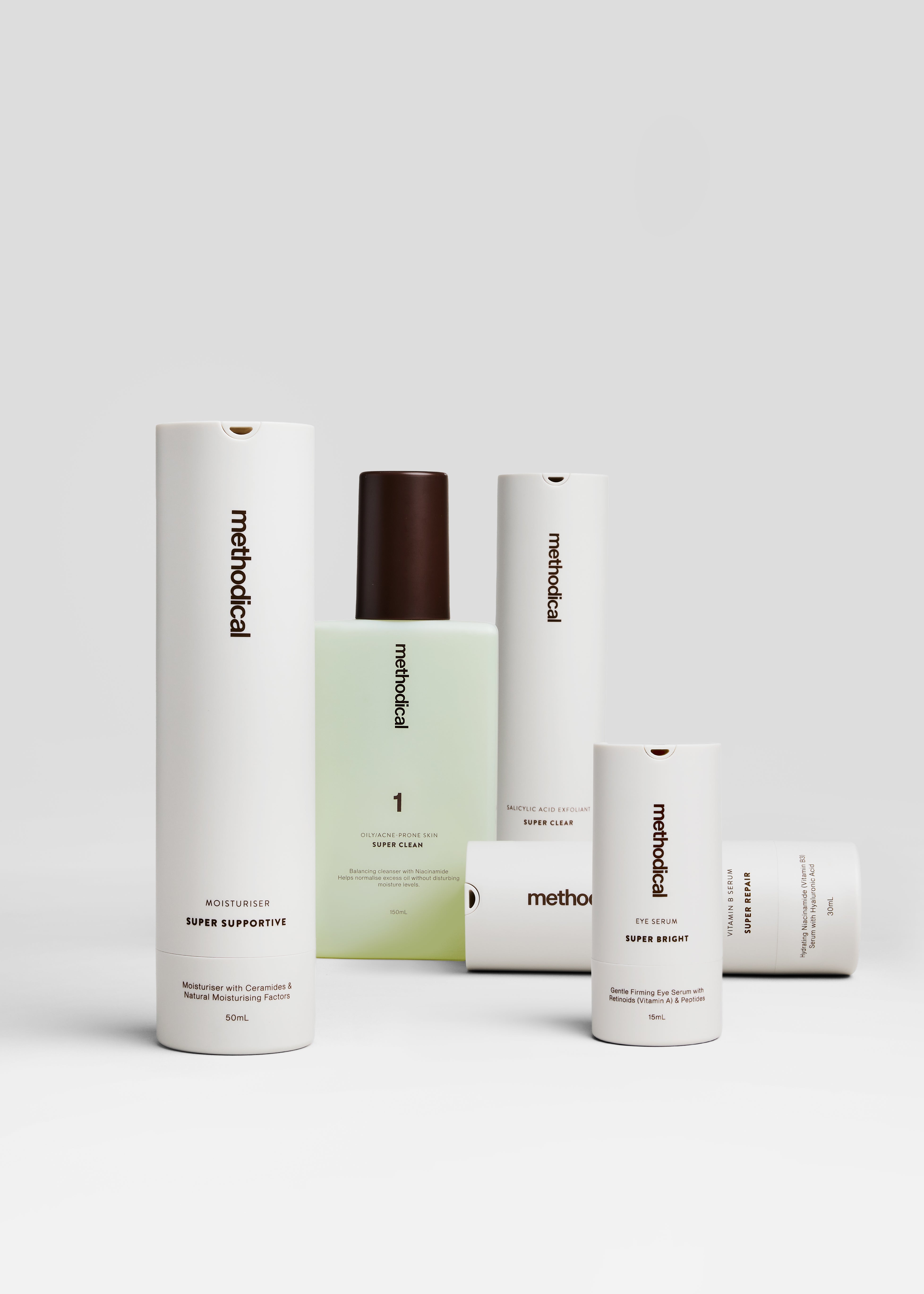
For oily, acne-prone skin, the goal is to control oil and unclog pores without stripping the skin barrier. Salicylic acid is the workhorse here, paired with a gentle cleanser and a light, oil-free moisturiser. If this matches your skin, our ready-made Oily/Acne-Prone Skin Routine bundles the steps for you.
Dry, sensitive or reactive skin
For dry or sensitive skin, the goal is to rebuild the skin barrier with hydration and gentle ingredients. Look for hyaluronic acid, peptides and ceramide-rich moisturisers, and skip strong exfoliants. Our Dry/Sensitive Skin Routine is built for exactly this.
Mature skin with texture and fine lines
For mature skin, the goal is to support collagen and smooth texture. A retinoid at night, vitamin C in the morning and daily sunscreen form the core. Add peptides for hydration and barrier support. Patience is key here, because retinoids need a full 12 weeks.
How to Choose a Clinical Skincare Routine: A Five-Step Decision Framework
Choosing a clinical skincare routine is easier with a clear checklist. Use this five-step framework to cut through the noise and pick products that suit your skin.
- Identify your skin type and concern. Dry, oily, combination or normal, plus one main goal.
- Check the active and its concentration. A named ingredient at a sensible strength beats a long ingredient list.
- Test your tolerance. Patch test, then introduce one product at a time.
- Build the five core steps. Cleanse, treat, hydrate, support the barrier, protect.
- Review at 12 weeks. Keep what works, drop what does not, and adjust strength.
If you would rather skip the guesswork, our Skin Quiz matches a doctor-developed five-step routine to your answers.
Build Your Routine with The Method
Clinical skincare works when it is simple, consistent and matched to your skin. The hard part is choosing the right products without wasting money on the wrong ones.
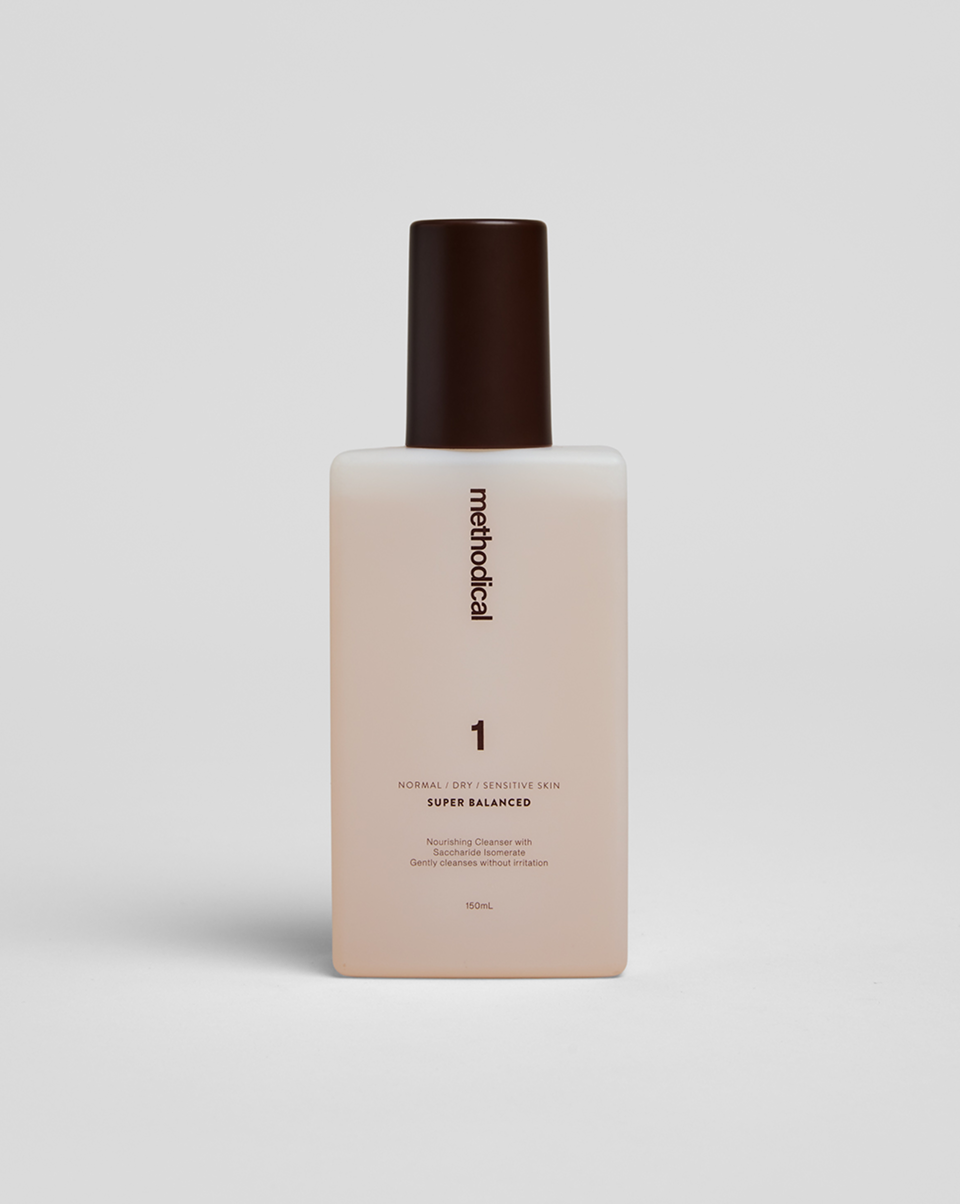
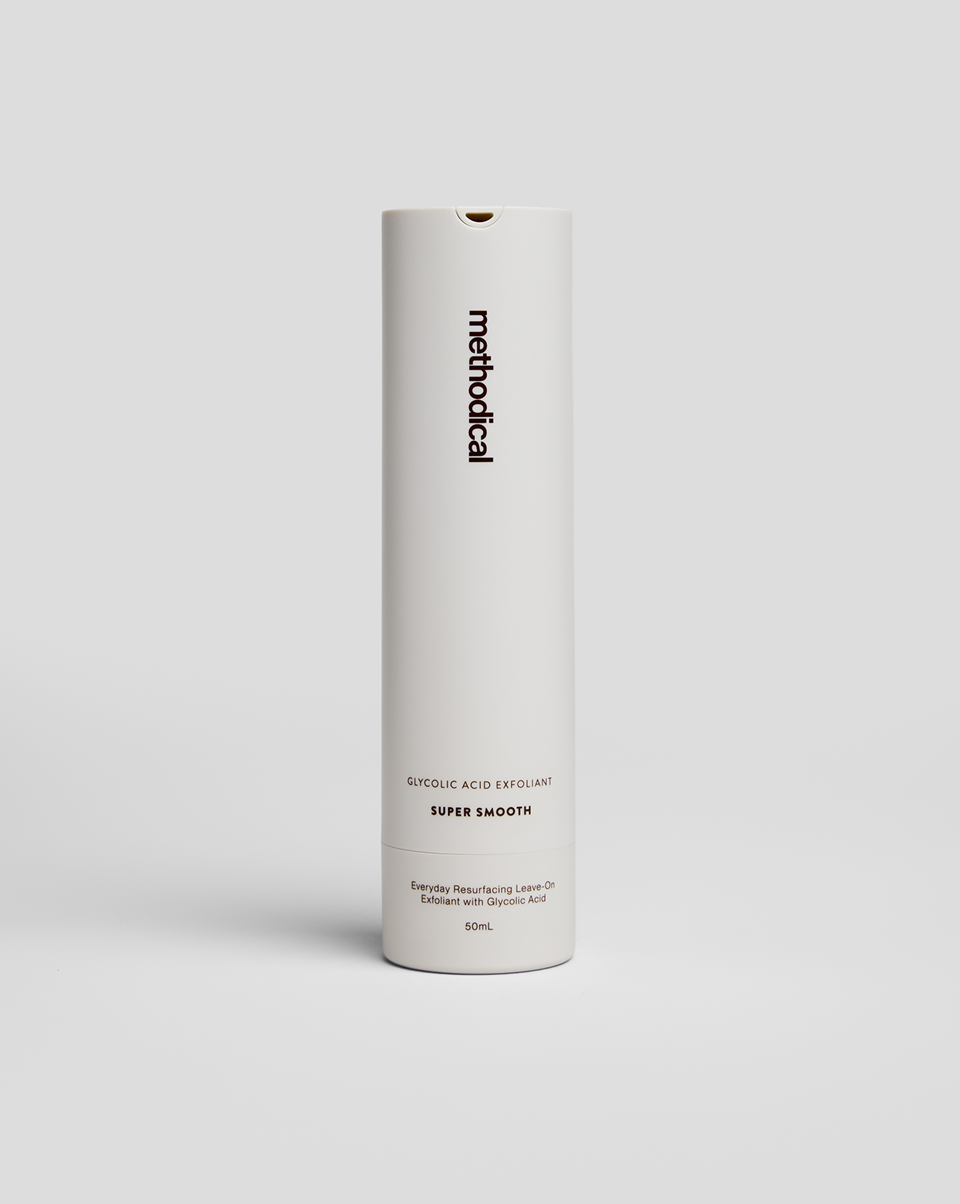
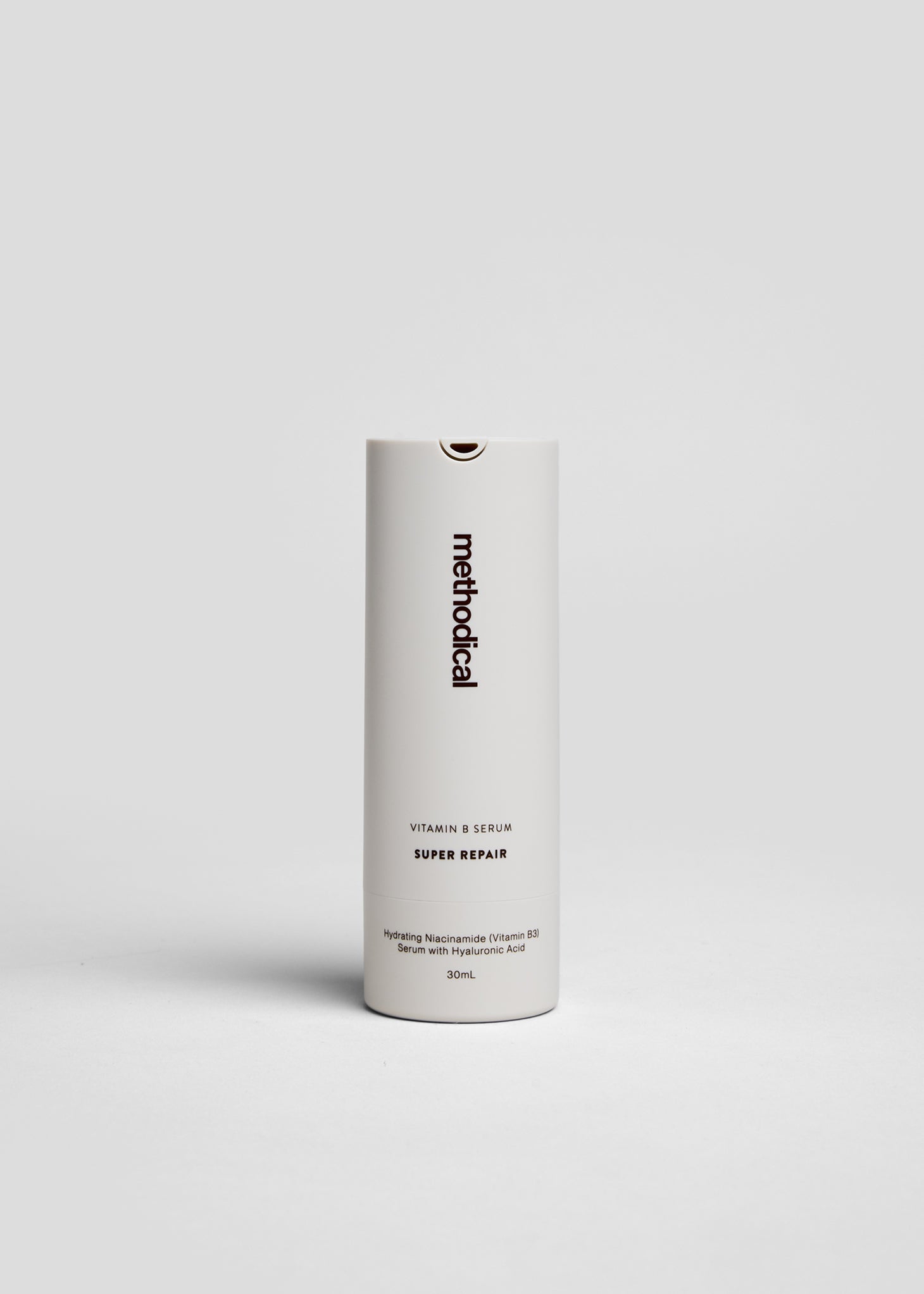
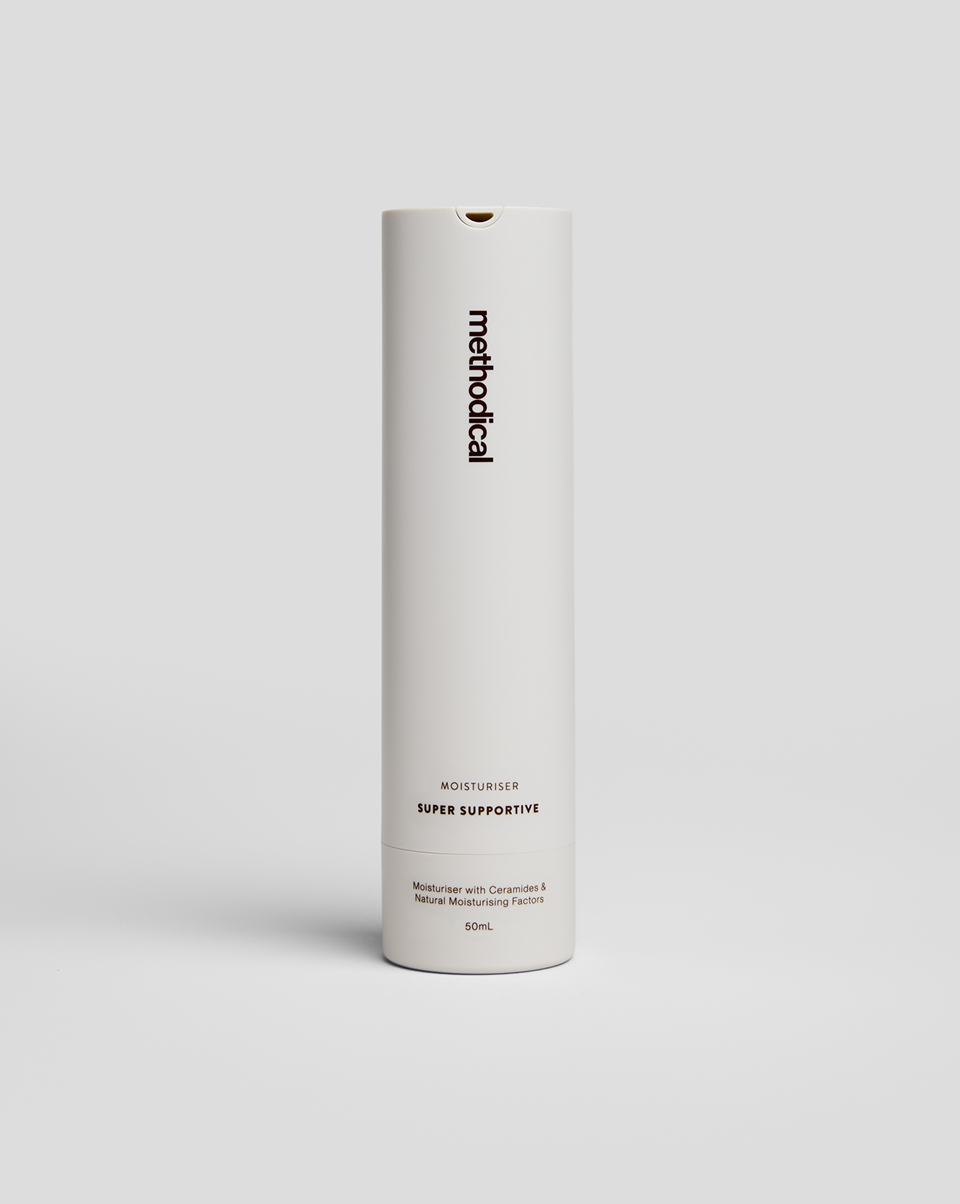
Our doctor-founded five-step system, created by Dr Ceylan Yilmaz, is designed to remove the guesswork.
Start with The Starter at $200.00, or step up to the full routine at $465.00.
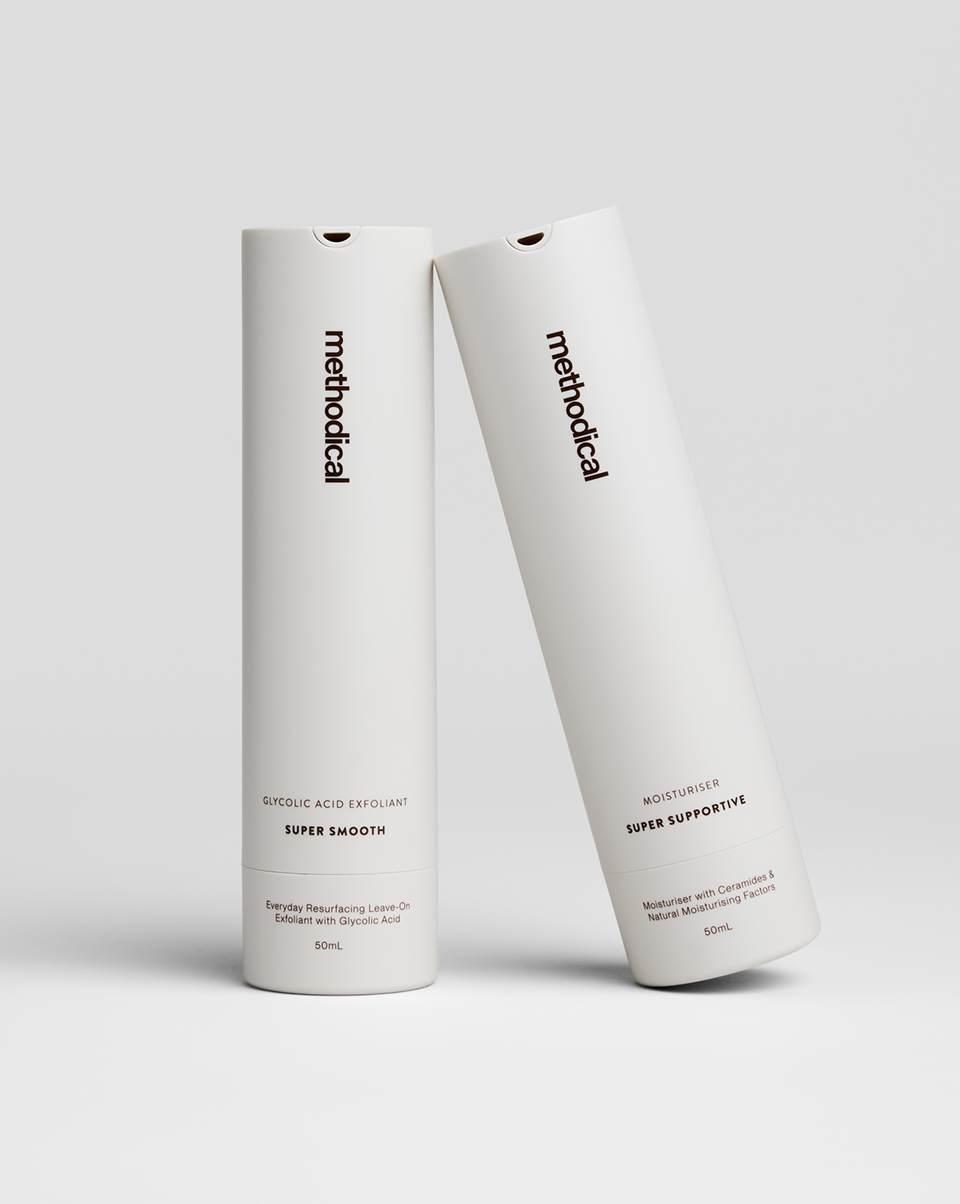
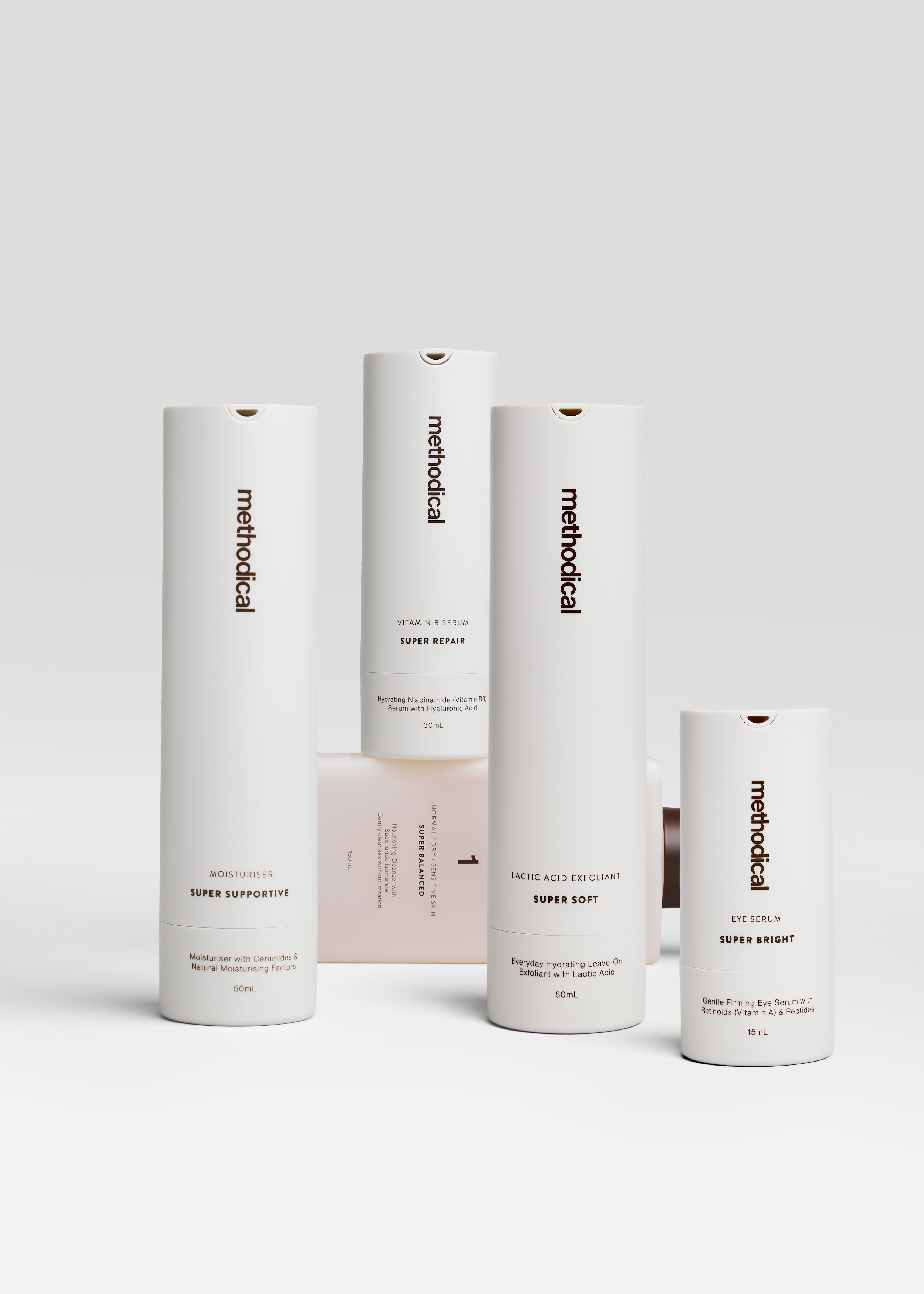
Your skin does not need ten steps. It needs the right five, used consistently. Methodical gives you a doctor-founded system with clinically formulated ingredients, a simple numbered routine, and formulas matched to your skin type and concerns. Get started with Methodical and build a clinical skincare routine that finally works for your skin.
Frequently Asked Questions
What is a clinical skincare routine?
A clinical skincare routine is a structured set of products formulated with research-supported concentrations of active ingredients, chosen to match your skin type and concern. It typically includes a gentle cleanser, a treatment step with ingredients such as vitamin C, salicylic acid, hyaluronic acid or retinoids, a moisturiser to support the skin barrier, and sunscreen in the morning. The aim is consistency and compatibility rather than a long list of products, so each step has a clear purpose and can be tolerated daily.
How do I choose skincare products for my skin type?
Match the formulation to how your skin behaves, not to a label. Oily and acne-prone skin usually does well with a gel cleanser and lighter moisturiser, while dry or sensitive skin benefits from a cream cleanser and a barrier-supporting moisturiser. Combination skin often needs a middle ground. If you are unsure, start with a short clinical skincare routine of cleanser, moisturiser and sunscreen, then add one active ingredient at a time so you can tell what is working and what is causing irritation.
How long should I try a skincare routine before changing it?
Give a new routine at least eight to twelve weeks before judging results. Hydration and skin texture can improve within two to four weeks, but changes to fine lines, pigmentation and acne take longer because they depend on skin cell turnover. Introducing one product at a time, with two weeks between additions, makes it easier to identify what is helping. If you see redness, stinging or peeling that does not settle, stop the new active ingredient rather than changing the whole routine.
Can I use clinical skincare products every day?
Most clinical skincare products are designed for daily use, but frequency depends on the active ingredient and your tolerance. Vitamin C, hyaluronic acid and niacinamide are usually well tolerated twice daily. Retinoids and exfoliating acids often suit two to three nights per week at first, building up as your skin adjusts. Patch testing on the inner forearm for a few days before applying to the face is a practical way to check for irritation, and sunscreen should be worn every morning regardless of routine.
