


How Do I Know If My Skin Barrier Is Damaged? The Ten Signs
By Dr Ceylan Yilmaz, Cosmetic Doctor & Medicinal Chemist
Part 1 of 3 in the Methodical skin barrier series: identifying the problem.
Of all the questions I get in clinic, this one comes up more than most. Someone has been doing everything right (multi-step routine, all the recommended actives, expensive products) and their skin is somehow worse than when they started. It’s reactive. It stings when products go on. It looks red and feels tight even after they moisturise. They’re convinced something’s wrong, but they don’t have language for what it is.
Nine times out of ten, what they’re describing is a damaged skin barrier. It’s become a common phrase in skincare conversation over the past few years, but most people don’t really know what it means, what causes it, or, crucially, how to tell whether their own barrier is compromised.
This article is the diagnostic guide I wish more of my patients had read before they walked in. It explains what the skin barrier actually is, the specific signs that tell you it’s damaged, what causes the damage in the first place, and the protocol I use to repair it. The good news is that a damaged skin barrier is almost always reversible. The better news is that once you understand what it needs, the fix is simpler than most people expect.
The Short Answer
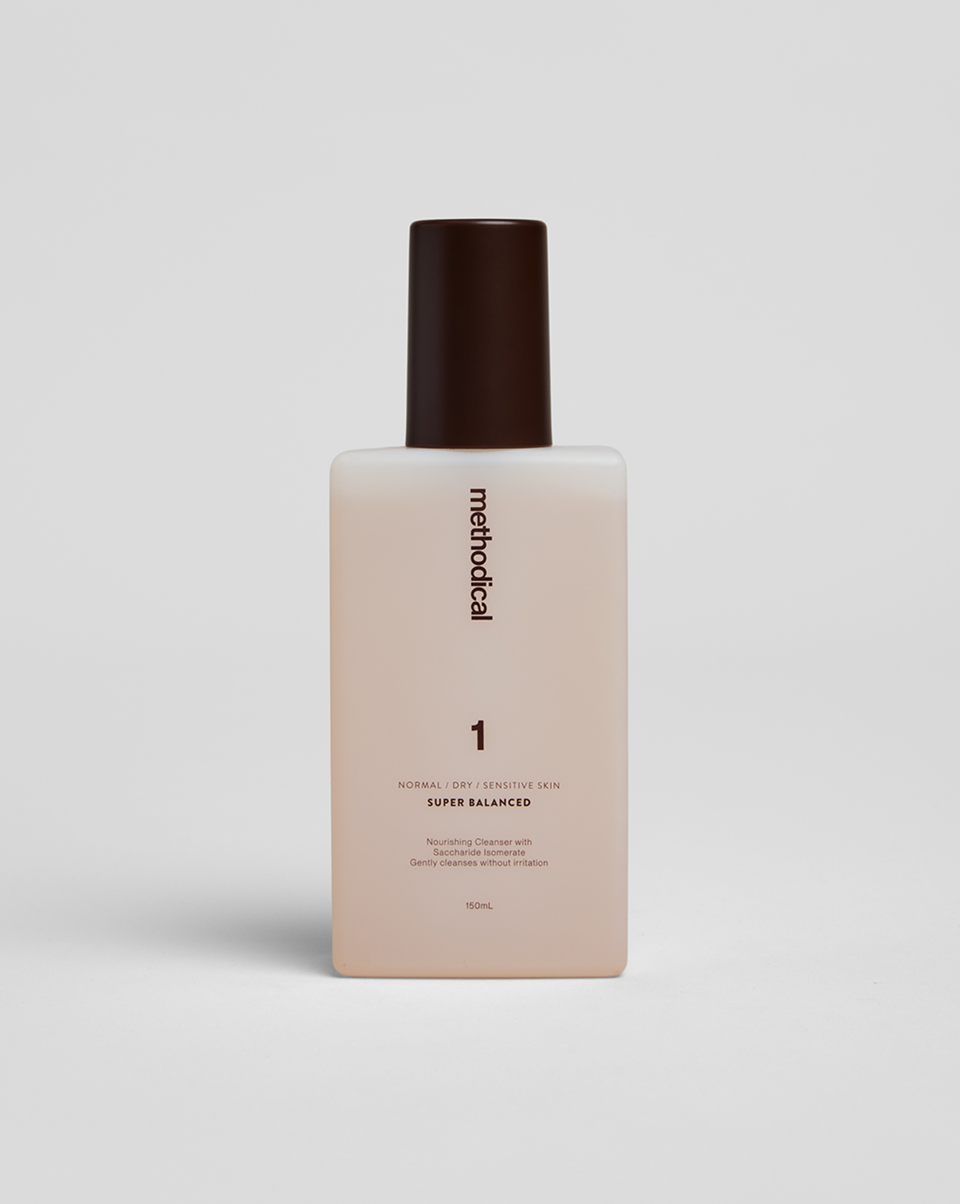
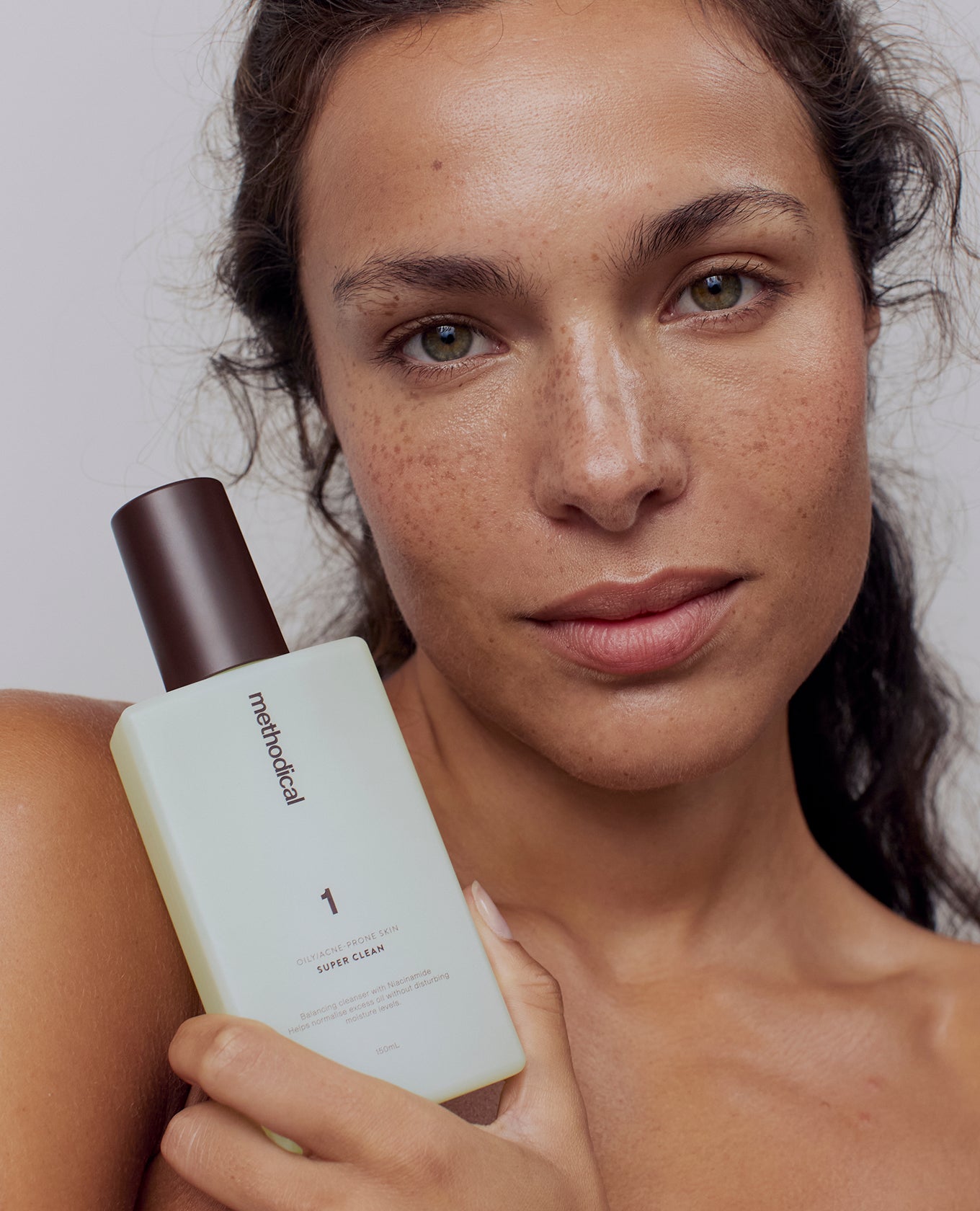
Your skin barrier is damaged if you’re experiencing several of the following: tightness or stinging after cleansing, redness or flushing that wasn’t there before, sudden reactivity to products you used to tolerate, flaky or rough patches, dehydration that doesn’t improve with moisturiser, breakouts in unusual places, an itchy or burning sensation, or skin that feels rougher to the touch despite consistent care. These are signs that the protective outer layer of your skin, the stratum corneum, has been compromised, usually by over-cleansing, over-exfoliation, harsh actives, environmental stress, or a combination of all four. The fix is to stop everything aggressive, support the barrier with humectants, ceramides and lipids, and give it four to six weeks. Methodical’s product range is built specifically around this: every formula in the system contains the Advanced HA Complex, Skin-Identical Lipids and soothing actives needed to rebuild the barrier while you continue using the routine.
The rest of this article explains the science behind that diagnosis, walks you through each sign in detail, and lays out exactly how to repair the barrier.
First: What Is the Skin Barrier?
Most people use the phrase “skin barrier” without a clear picture of what it actually is. Let me give you the anatomy, because once you understand it, everything else makes sense.
Your skin has multiple layers, but the one that does the barrier work is called the stratum corneum, the very top layer of your epidermis. It’s only about 15 to 20 cells thick, and the cells in it are dead, which sounds like it shouldn’t matter much. It matters enormously. The stratum corneum is what keeps water in, irritants out, microbes out, and your underlying living tissue safe from the world.
The structure is often described as a brick-and-mortar model, and that’s a good way to picture it. The “bricks” are flattened cells called corneocytes, filled with keratin protein and the skin’s own internal hydration system, a mixture of amino acids, lactate, urea, and pyrrolidone carboxylic acid known as the Natural Moisturising Factor (NMF). The “mortar” between the cells is a complex lipid matrix made up of ceramides, cholesterol, and free fatty acids in specific ratios.
When all of that is intact, your skin barrier does four things at once: it holds water inside (preventing dehydration), it keeps irritants and pathogens out, it regulates pH (the slightly acidic “acid mantle” on the surface keeps your skin microbiome in balance), and it absorbs the actives in your skincare in a controlled, calibrated way.
When the mortar between the bricks is depleted, or the bricks themselves are damaged, all four functions start to fail at once. That’s a damaged skin barrier.
Why the Barrier Matters More Than Any Single Active
Here is the thing most skincare content gets wrong: a healthy skin barrier matters more than any vitamin C serum, any retinoid, any acid you might layer on top. If your barrier is compromised, every product you apply behaves differently. Actives penetrate too quickly and irritate. Moisturisers don’t seal in moisture because the underlying water is already escaping. Your skin becomes reactive to things it used to tolerate. You spend more money on more products trying to fix what’s actually a structural problem with the wall itself.
This is also why the clinical measure dermatologists use to assess barrier function is something called transepidermal water loss (TEWL), the rate at which water evaporates out of your skin through the upper layers. High TEWL means a leaky barrier. Low TEWL means an intact one. Every Methodical product is tested for its effect on TEWL, and the Advanced HA Complex used across the range demonstrates a 32.3% reduction in TEWL within one hour of application, a direct measure of the formula closing up barrier leakage in real time.
The Ten Signs Your Skin Barrier Is Damaged
Here is the diagnostic checklist I run through with patients. You don’t need to have all of these to have a damaged barrier; three or four is usually enough to confirm it.
1. Your skin feels tight after cleansing
A healthy skin barrier holds onto enough water that washing your face doesn’t leave it feeling stripped. If you finish cleansing and your skin feels tight, dry, or like it’s “pulling,” the barrier isn’t holding water properly, and the cleanser is also probably contributing to the damage by removing too many lipids. If you have to apply moisturiser within sixty seconds of cleansing to be comfortable, that’s a barrier signal.
2. Products you used to tolerate now sting or burn
This is one of the most reliable indicators. The barrier’s job is to control what gets into the deeper layers of the skin. When it’s working, vitamin C, retinoids, even acids enter at a controlled rate. When it’s damaged, those same ingredients penetrate too quickly and trigger nerve endings, which we feel as stinging or burning. If your serum suddenly stings, your retinol suddenly burns, or your sunscreen suddenly itches, your barrier has lost its gatekeeping function.
3. Increased sensitivity and redness
Skin that flushes easily, reacts to temperature changes, or develops generalised redness that wasn’t there before: these are signs that irritants are reaching the living layers of skin more easily, and your immune cells are responding. Sensitivity is rarely a permanent personality trait of your skin; it’s usually a temporary state caused by barrier damage. Rosacea-prone skin is a partial exception, but even there, much of what looks like rosacea is actually compounded barrier damage on top of a genetic tendency.
4. Persistent dehydration that moisturiser doesn’t fix
Dehydration is fundamentally a barrier problem. Healthy skin holds onto water; damaged skin loses it through transepidermal water loss faster than topical hydration can replace it. If you’re moisturising religiously and your skin still feels parched within an hour, the issue isn’t that you need more moisturiser; the issue is that your barrier isn’t holding what you’re giving it. A pinch test is a useful self-check: pinch a small section of skin on your cheek; if fine lines appear that don’t smooth out immediately, you’re dehydrated.
5. Flaky patches or visible texture
When the barrier’s desquamation process, the normal shedding of dead surface cells, gets disrupted, cells start coming off in patches rather than smoothly. You see this as flaking, rough texture, or what looks like dry skin on top of skin that feels uncomfortable rather than just dry. This is more common in cold weather or after overexfoliation.
6. Breakouts in unusual locations
This one surprises people. A damaged barrier can paradoxically cause breakouts, even on skin that isn’t normally acne-prone. The mechanism: when the barrier is compromised, the skin microbiome gets thrown off, and opportunistic bacteria can proliferate. You see this as small bumps in places you don’t usually break out (along the jaw, around the mouth, on the cheeks) that don’t respond to typical acne treatments because they’re not really conventional acne. Treating these with more salicylic acid or benzoyl peroxide usually makes them worse, because more harsh actives damage the barrier further.
7. Burning, stinging, or itching with no visible cause
If your face feels uncomfortable (burning, stinging, or itching) without obvious redness or rash, that’s a barrier signal. Nerve endings in the skin are being triggered because the protective layer above them is too thin or too porous.
8. Rough texture despite consistent skincare
Healthy skin feels smooth to the touch when you press the back of your finger against it. Damaged skin feels rough, slightly bumpy, or uneven, even after cleansing and moisturising. The Natural Moisturising Factor inside the corneocytes, the components that give surface skin its plumpness, is depleted, and the lipid mortar between the cells is thin.
9. Skin reacts to weather changes
Healthy skin handles weather. It tolerates cold mornings, hot afternoons, air conditioning, and central heating without major changes in how it looks or feels. Damaged skin is unstable across these conditions: uncomfortable in dry environments, flushing in heat, flaring in cold. If your skin used to be stable and is now weather-reactive, the barrier is the reason.
10. A general feeling that something is wrong
This is unscientific, but in clinic it’s one of the most reliable indicators. Patients with damaged barriers often say their skin “just doesn’t feel right”; they can’t pinpoint why, but they know something has changed. Trust that instinct. The barrier doesn’t need to be visibly disastrous to be compromised; it just needs to be functioning below its normal level.
Skin Barrier FAQs
What does a healthy skin barrier feel like?
Smooth to the touch with a slight, even softness. No tightness after cleansing. No stinging when applying products. Stable across weather changes and through your menstrual cycle. Comfortable bare-faced. This isn’t a perfectionist standard; it’s normal, healthy skin function.
Is the “skin barrier” the same as the “moisture barrier”?
They’re used interchangeably in skincare conversation, though technically the skin barrier refers to the broader protective function of the stratum corneum (which includes water retention, microbial defence, and chemical exclusion), and the moisture barrier specifically refers to the water-retention component. In practice, if one is damaged the others usually are too, so the distinction rarely matters for treatment.
Think your barrier is compromised? Next, what actually caused it and how long recovery takes: What Causes a Damaged Skin Barrier (and How Long It Takes to Heal) →
Dr Ceylan Yilmaz is a cosmetic doctor and medicinal chemist based in Melbourne. This article is general information, not a substitute for personalised medical advice. If you have a persistent rash, suspected eczema, rosacea or contact dermatitis, or if your barrier symptoms don’t improve within six weeks of a gentle repair routine, please consult your GP or dermatologist.