

Skincare Routine for Ageing Skin: A Practical Guide
Last Updated: November 10, 2026
Quick Summary
A good ageing skin routine is simple and consistent: gentle cleansing, hydration that supports the skin barrier, daily broad-spectrum sunscreen and one targeted active at night. Because ageing skin loses moisture more easily and is more exposed to sun damage, the focus is on support and protection rather than aggressive correction.
- Cleanse with a gentle, low-foaming cleanser morning and night.
- Combine humectants, emollients and occlusives to hydrate and support the barrier.
- Apply broad-spectrum sunscreen as the final step every morning.
- Introduce retinoids slowly, starting with two nights a week at low concentration.
- Exfoliate gently one to three times a week, not daily.
Table of Contents
- Why Ageing Skin Needs a Different Routine
- The Core Steps of a Skincare Routine for Ageing Skin
- Morning Skincare Routine for Ageing Skin
- Sunscreen for Ageing Skin: Why It Is Non-Negotiable
- Night-Time Skincare Routine for Ageing Skin
- Retinol for Mature Skin: Introducing It Safely
- Building Your Routine: Your Next Steps with Methodical
- Frequently Asked Questions
Why Ageing Skin Needs a Different Routine
Ageing skin is not simply younger skin that has worn out, and it rarely responds well to the same ageing skin routine. Methodical, an Australian skincare brand founded by a doctor, builds its approach around that difference. A routine that works in your twenties often leaves a woman in her fifties with dryness, dullness and tightness that no amount of extra product seems to fix.
Skin ageing is driven by a mix of factors, including reduced collagen production, slower cellular turnover and a weaker lipid barrier that holds moisture in. Ageing skin is also more exposed to photoaging from years of sun, which shows up as fine lines, uneven tone and hyperpigmentation. The practical answer is a routine built around support, protection and gentle renewal rather than aggressive correction.
How Hormones and Menopause Change Skin
Hormonal shifts are one of the least discussed reasons skin changes with age. As oestrogen levels fall, particularly around menopause, many people notice their skin becomes thinner, drier and less resilient. Collagen and hyaluronic acid, both important for hydration and elasticity, tend to decline, so the skin loses water more readily.
This is why a moisture-focused step often matters more in the forties and beyond than it did earlier. Look for ingredients that support hydration and barrier function, and expect your needs to shift as your hormones do. A routine that feels too rich in one season can feel right again later, so reassess every few months rather than assuming the first choice will last.
Lifestyle Factors That Affect Skin Ageing
Sleep, diet, stress, smoking and alcohol all influence how skin ages, and they often matter as much as the products on your shelf. Chronic poor sleep and high stress both disrupt the skin's repair cycle, while smoking reduces the oxygen and nutrients reaching the skin. Sun exposure remains the single largest external factor, which is why protection features in every part of a sound routine.
Realistic expectations help here. A consistent routine supports the skin over months, not days, and lifestyle changes compound that benefit. Treat your skincare as one part of a broader pattern of care rather than a fix that can outweigh everything else.
The Core Steps of a Skincare Routine for Ageing Skin
A simple ageing skin routine is easier to stick with than an elaborate one. Methodical's five-step system is built on a numbered, repeatable sequence designed to remove much of the guesswork. The core steps are cleanse, support hydration and barrier, protect in the morning, and treat at night.
Each step has a clear job. Cleansing prepares the skin, hydration supports the barrier, and targeted actives address specific concerns. Keeping the order consistent makes it easier to notice what is working.
Gentle Cleansing and Why It Matters
Cleansing is the foundation of any routine, and for ageing skin the goal is to remove dirt and sunscreen without stripping the barrier. Harsh foaming cleansers can leave the skin tight and irritated, which is counterproductive when the skin already struggles to retain moisture. A gentle, low-foaming cleanser used once in the morning and once at night is usually enough.
Use lukewarm water rather than hot, and pat the skin dry rather than rubbing. Your cleanser should leave the skin feeling comfortable, not squeaky clean.
Hydration, Barrier Support and Moisture Retention
Hydration and barrier support work together. Humectants draw water into the skin, emollients smooth the surface, and occlusives help reduce water loss. For ageing skin, a routine that combines all three tends to perform better than relying on a single heavy cream.
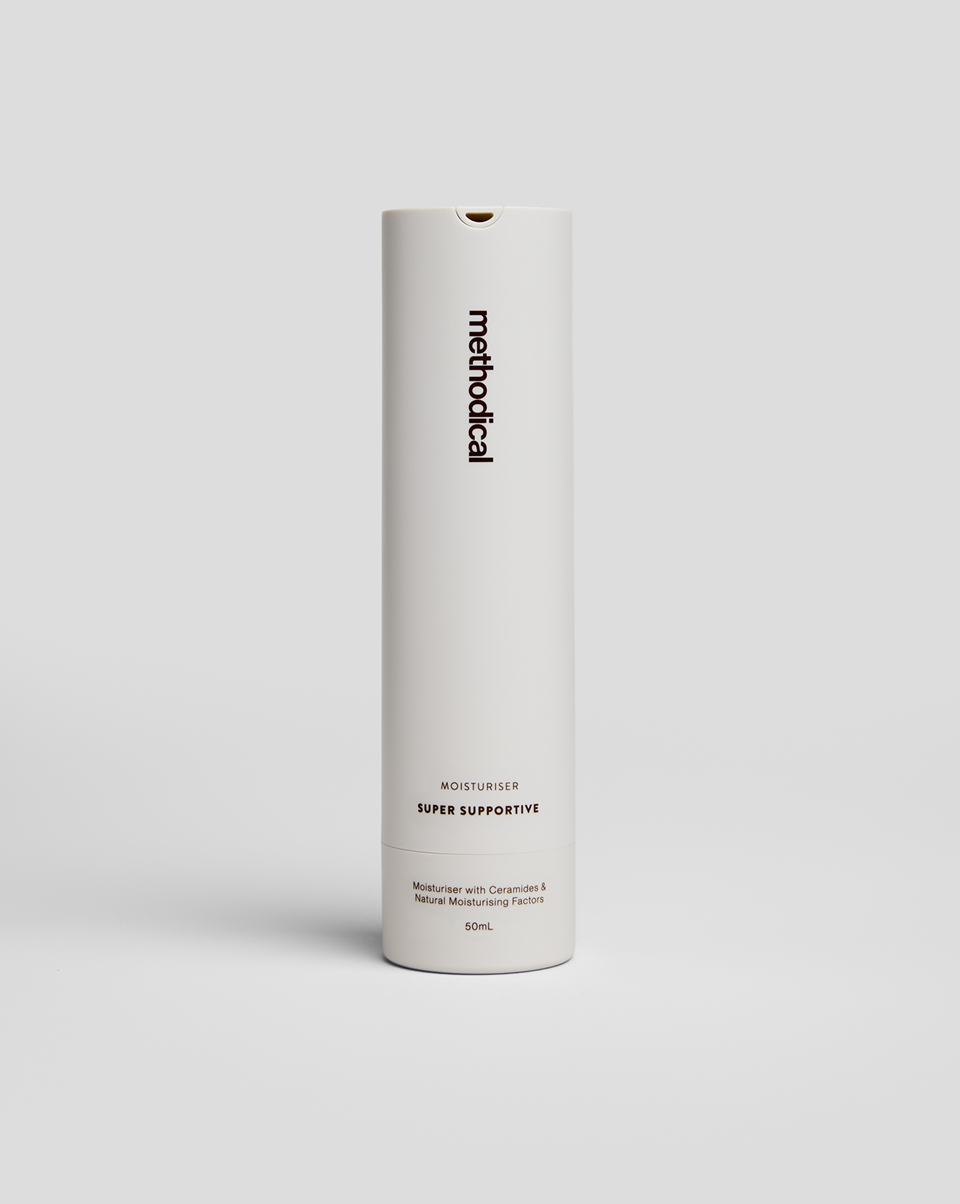
Methodical's Super Supportive is a lightweight, deeply hydrating formula designed to support soft, supple, healthy-looking skin. It is enriched with skin-identical ingredients including Glycerin, Acetyl Glucosamine and Squalane, and is designed to lock in moisture without weighing skin down. You can find it at Super Supportive.

The core routine rests on four repeatable steps, each with a clear job.
| Step | What to do | Frequency |
|---|---|---|
| Cleanse | Use a gentle, low-foaming cleanser | Morning and night |
| Hydrate and support barrier | Combine humectants, emollients and occlusives | Morning and night |
| Protect | Apply broad-spectrum sunscreen as the final morning step | Every morning |
| Treat | Apply targeted actives at night | Nightly or as tolerated |
Morning Skincare Routine for Ageing Skin
The morning routine should prepare the skin for the day and protect it from the environment. Keep it short: cleanse, apply any antioxidant or brightening serum, moisturise and finish with sunscreen. Consistency here does more for long-term skin health than any single product.
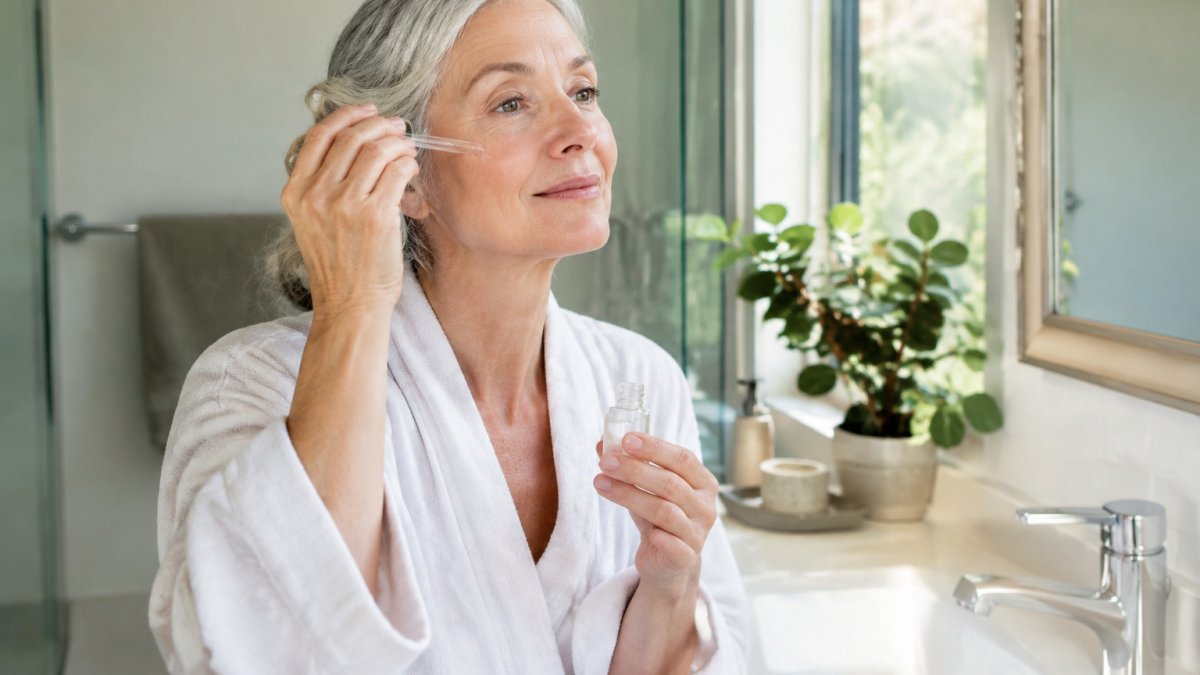
For many people, the morning is the hardest part of the day to fit in a routine, so keep the number of steps small. Three to four products is plenty.
Antioxidants and Layering Order
Antioxidants help counter free radicals generated by sun exposure and environmental stress, which contribute to photoaging. They are typically applied after cleansing and before moisturiser, because serums are designed to penetrate better than thicker creams.
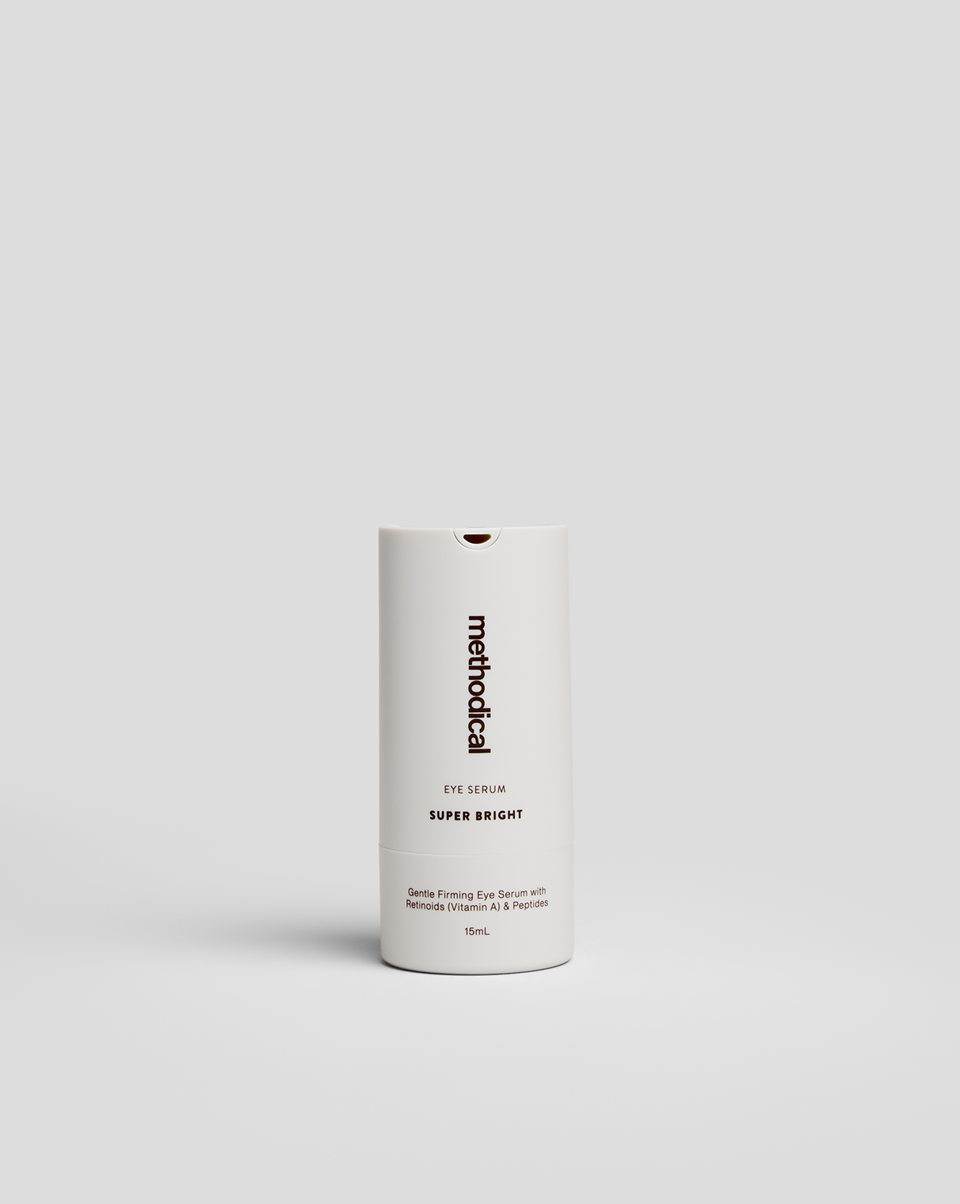
Apply your thinnest product first and work up to the richest. A typical order is cleanser, antioxidant serum, moisturiser, then sunscreen. Methodical's Super Bright is a scientifically formulated eye serum with Retinoids, Peptides, Caffeine, Antioxidants and hydrating ingredients, designed to soften the appearance of fine lines, wrinkles and dark circles around the eyes. It is available at Super Bright.

Sunscreen for Ageing Skin: Why It Is Non-Negotiable
Sunscreen is the most effective anti-ageing product most people will ever use, because it prevents damage rather than repairing it. Daily broad-spectrum protection, applied every morning regardless of the weather, is what slows photoaging over time. Clouds and winter sun still carry UV exposure, so the habit matters year-round.
Apply a generous amount as the final step of your morning routine, and reapply if you are outdoors for extended periods. Choose a formula you will actually wear daily, since the best sunscreen is the one you use.
Night-Time Skincare Routine for Ageing Skin
The night routine is when the skin does much of its repair, so it is the right time for targeted treatments. Cleanse thoroughly to remove sunscreen and makeup, then apply any active treatments before finishing with a nourishing moisturiser. Keep active ingredients to a manageable number so you can judge how your skin responds.
Introduce new actives one at a time, and give each a few weeks before adding another. This approach makes it much easier to identify the cause of any irritation.
Gentle Exfoliation: How Often Is Enough
Exfoliation helps remove dead skin cells and supports the absorption of other products, but over-exfoliating is a common mistake for ageing skin, which is often already thin and sensitive. A gentle chemical exfoliant used one to three times a week is usually enough for most people.
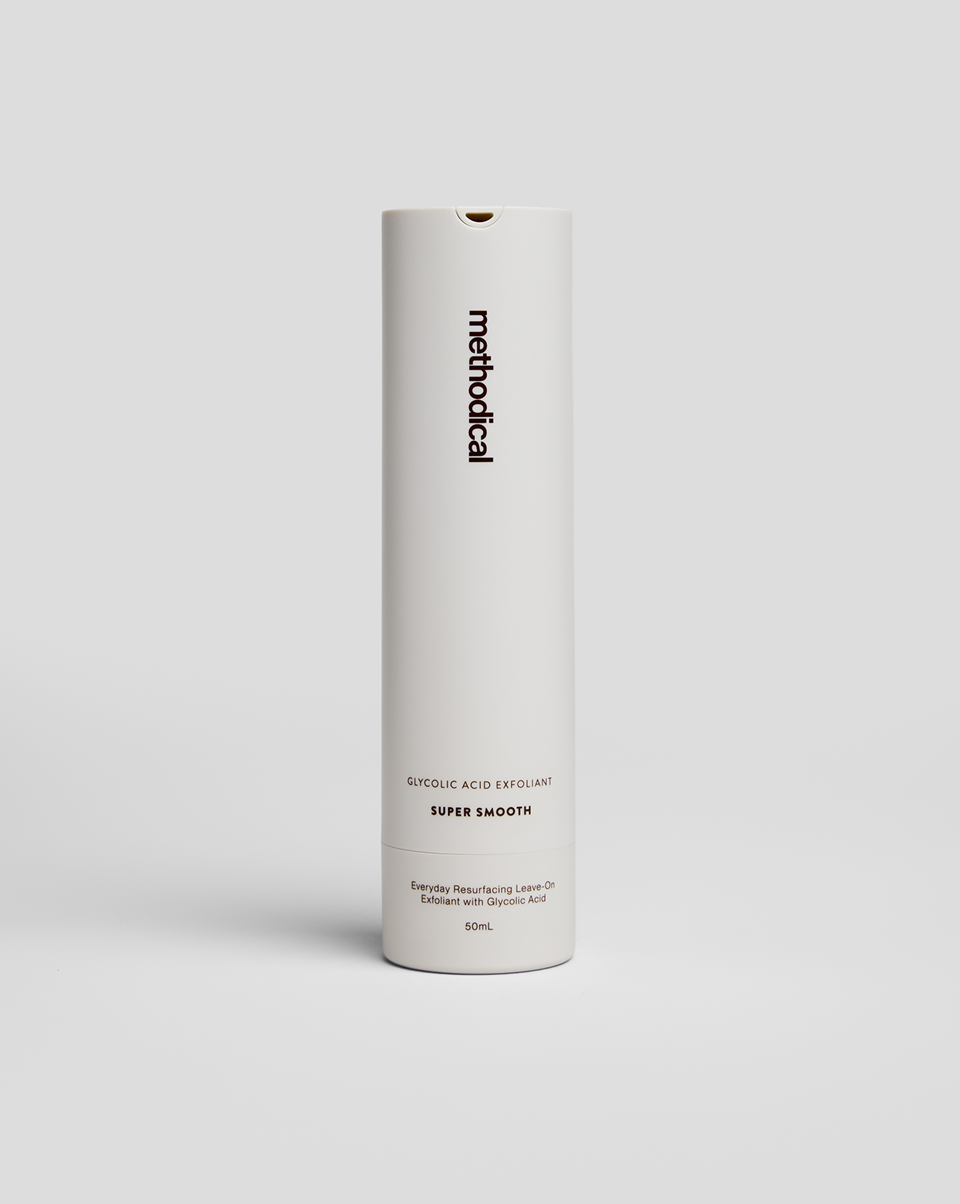
Methodical's Super Smooth pairs Glycolic Acid with soothing and hydrating actives that help protect the barrier as the skin resurfaces. It is available at Super Smooth. Methodical's Super Clear pairs Salicylic Acid with calming actives. Choose one based on your skin's needs rather than using both at full strength in the same routine.
Retinol for Mature Skin: Introducing It Safely
Retinoids are the most studied topical ingredient for ageing skin, and the reason is mechanistic rather than marketing. Vitamin A derivatives are among the most studied topical ingredients for ageing skin.
The strength ladder matters more than the brand. Over-the-counter retinol and retinaldehyde must be converted in the skin to retinoic acid, so they are gentler but slower; prescription tretinoin is already the active acid and is more potent but more irritating.
A safe introduction follows a predictable pattern. Start with a low concentration two nights a week, applied to dry skin after cleansing and before moisturiser, and build to every other night over six to eight weeks before considering nightly use.
Watch out: layering a retinoid with a strong AHA or BHA on the same night, or applying it to damp skin, is the most common cause of the redness and peeling that makes people abandon retinoids altogether. Alternate strong actives across different nights rather than stacking them.
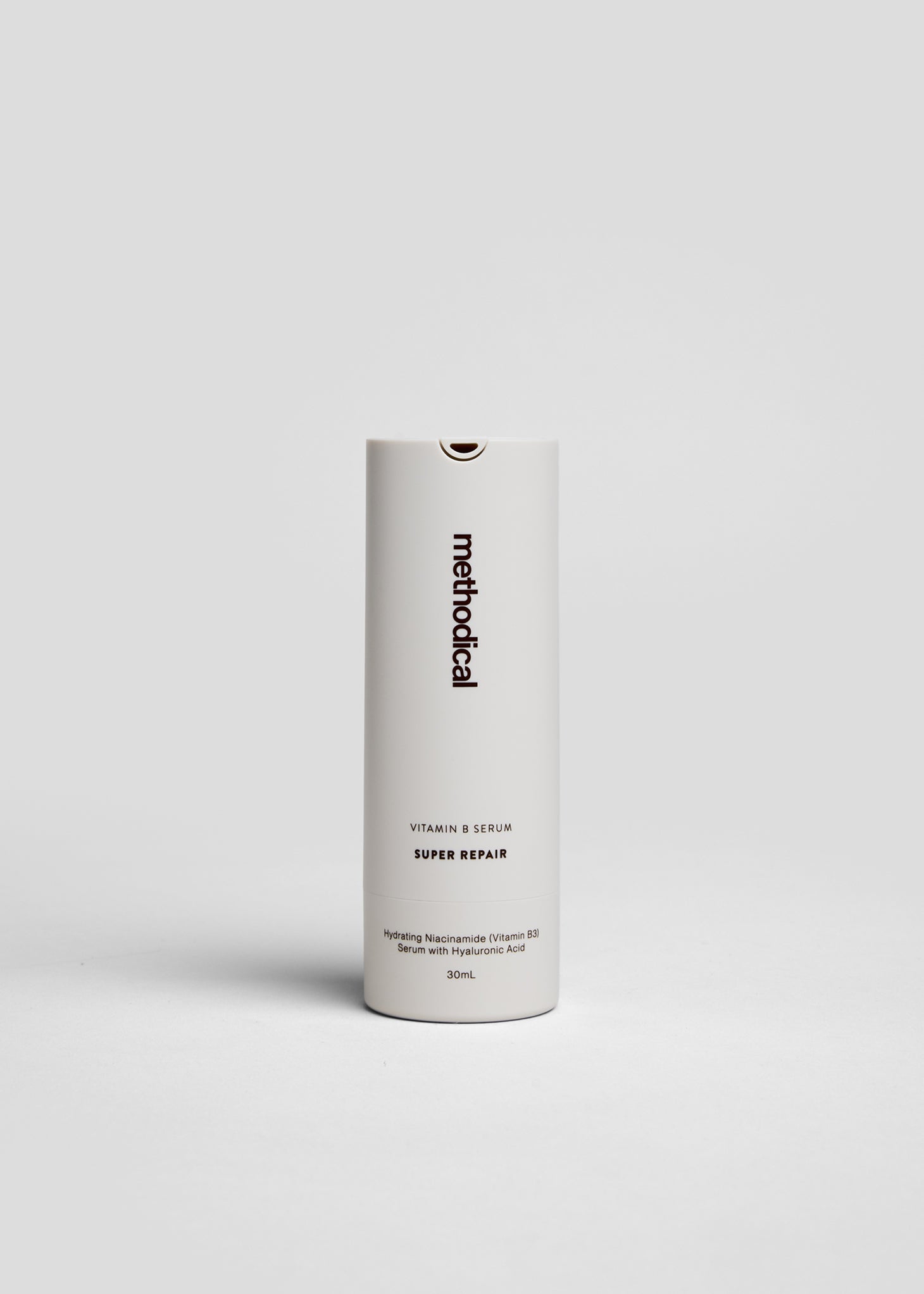
A repair-focused product can support the skin during this adjustment period. Methodical's Super Repair is a highly concentrated niacinamide (Vitamin B3) serum priced at AUD $110.00 and available at Super Repair.

Building Your Routine: Your Next Steps with Methodical
Start with the basics: a gentle cleanser, a hydrating moisturiser, daily sunscreen and one targeted active. Add complexity only once those steps feel comfortable and consistent. Methodical's five-step system is designed to remove the guesswork from this process, so you can focus on consistency rather than constant product changes.
Ageing skin deserves a routine that is consistent, protective and gentle. Explore Methodical's range to build a simple system around your needs, starting with Super Supportive for hydration or Super Repair if you are introducing retinol.
Frequently Asked Questions
What is a good skincare routine for ageing skin?
A solid routine for ageing skin keeps the basics consistent: a gentle cleanser, a hydrating moisturiser that supports the skin barrier, and daily broad-spectrum sunscreen in the morning. At night, you can add one active ingredient, such as a retinol, a few times a week. Simplicity matters more than the number of steps. A routine you can maintain every day will do more for visible ageing than a long routine you abandon after a month.
What should I use on my face in the morning for ageing skin?
Morning skincare for ageing skin usually means a gentle cleanse or water rinse, a serum with antioxidants such as vitamin C or niacinamide, a moisturiser, and sunscreen. Apply thinner products first and thicker ones last. Sunscreen is the final step and should be used every day, including cloudy days, because UV exposure drives much of the visible photoageing that people want to slow down. Methodical's Super Repair serum, a niacinamide serum priced at $110.00, is one option for this step.
Should I use retinol if I have sensitive or ageing skin?
Retinol can be useful for mature skin, but it is best introduced slowly. Start two or three evenings a week, apply a pea-sized amount, and avoid combining it with strong exfoliating acids on the same night. Watch for dryness, stinging or redness, and reduce frequency if they appear. If your skin is very sensitive or you have a medical condition, speak with your GP or a dermatologist before starting, particularly if you are considering a prescription-strength product.
How often should I exfoliate ageing skin?
For most ageing skin, one to two gentle exfoliation sessions per week is a reasonable starting point. Over-exfoliating damages the skin barrier, which can increase dryness and sensitivity. Chemical exfoliants containing glycolic acid or salicylic acid are often gentler than physical scrubs. Methodical's Super Smooth, a glycolic acid exfoliant priced at $96.00, is designed to resurface while protecting the barrier. Stop if your skin stings or feels tight afterwards.
Can moisturiser reduce the appearance of fine lines?
A good moisturiser will not remove established wrinkles, but well-hydrated skin looks smoother and fine lines appear less pronounced. Moisturisers with humectants such as glycerin and emollients that support the lipid barrier help retain water in the outer layer of skin. Use one twice daily and apply it to damp skin for better absorption. For fine lines around the eyes, a targeted eye serum with peptides or retinoids may give more noticeable results over several months.
When should I see a dermatologist about changes to my skin?
See a doctor or dermatologist if you notice a new or changing mole, a sore that does not heal, persistent redness, rapid changes in pigmentation, or skin that bleeds or itches without explanation. These changes can have causes that need professional assessment, including skin cancer. Routine skincare cannot diagnose or treat these conditions. Your GP can refer you to a dermatologist if needed, and early assessment makes most skin concerns easier to manage.
